Rwanda — Land of a Thousand Hills
Roughly the size of Wales — and more intensely alive per square kilometre than almost anywhere on earth. Mountain gorillas in primeval volcanic forest. Chimpanzees in an ancient canopy walkway 70 metres above the ground. Africa’s most extraordinary conservation comeback story. And a capital city that might just be the most thoughtfully run on the continent.
One hour from Kigali, the Virunga volcanoes rise into cloud above one of the most significant wildlife encounters on earth. Rwanda holds roughly a third of all remaining mountain gorillas — fewer than 1,100 individuals worldwide — in the oldest national park in Africa.
 ★ Rwanda’s Greatest Experience
Volcanoes National Park
📍 Musanze District · Northwest RwandaThe most compelling wildlife encounter on earth. Eight habituated gorilla families live on the forested slopes of five dormant volcanoes — and each permit grants you one hour inside the family group. You are surrounded by animals that share 98.3% of your DNA. The silverback might be three metres away. An infant might reach out to touch your boot. No photograph, no wildlife documentary, no description prepares you for what it actually feels like to be there.
Dian Fossey spent 18 years in these forests and changed how the world understood our closest relatives. Her research camp at Karisoke is a half-day hike from the park gate — you walk the same paths she walked, past the gorilla graveyard she established. The only place on earth where you can do this.
What actually happens on a gorilla trek
You arrive at the park gate at 7am. After a briefing, you are allocated a gorilla family and a ranger team. The walk to the family takes between 30 minutes and 4 hours depending on where the gorillas have moved overnight — trackers radio their location ahead. Once inside the group you have exactly 60 minutes. No exceptions. Your guides manage distance (minimum 7m, though the gorillas set their own rules about that).
The 8 habituated families
- Susa A — largest group, 28 members, twins born 2011
- Amahoro — known for calm, gentle behaviour
- Umubano — two silverbacks; can be dramatic
- Kwitonda — family that migrated from DRC
- Hirwa — previously a lone silverback who assembled a new family
- Agashya (Group 13) — 25 members on the DRC border
- Sabyinyo — smallest territory, easiest trek
- Bwenge — higher altitude, spectacular volcanic scenery
 Often Overlooked
Golden Monkey Tracking
📍 Volcanoes NP · Sabyinyo SectorFound only in the Virunga highland zone — nowhere else on earth. The golden monkey is a vivid flash of black, white and amber acrobatics through the bamboo canopy. Permits cost a fraction of the gorilla permit and the trek is shorter, but the encounter is intimate and genuinely thrilling. Often done in the same morning as a gorilla trek.
The golden monkey’s range is so small — a few hundred square kilometres of Virunga highland bamboo — that seeing one in the wild means standing in one of perhaps three places on earth where it’s possible. They are spectacularly coloured and completely oblivious to people.
Details
Permit: USD 100 (~KES 13,000). Trek: 1–3 hours. Can be combined with gorilla trek on the same day (morning gorilla, afternoon golden monkey) by arrangement with the park. The bamboo forest section is lower altitude and less strenuous than gorilla territory.
 Volcano Hike
Mount Bisoke Crater Hike
📍 Volcanoes NP · 4,150m SummitA full-day strenuous hike to the summit crater of an active volcano — where a deep, still crater lake sits in perfect silence 4,150 metres above sea level on the Rwanda–DRC border. The climb passes through five ecological zones and often cuts through gorilla territory. You may hear (or smell) a gorilla family before you reach the crater rim.
At the crater rim, you look down into water 500m below you and across into the DRC simultaneously. Bisoke straddles the international border — standing on the summit is standing in two countries at once.
Details
Permit: USD 75. Duration: 6–8 hours round trip. Altitude gain: 1,200m from the gate. Mandatory armed ranger escort — buffalo and elephant in the forest. Start no later than 7am. Summit is frequently cloud-covered by afternoon.
Intact since the last Ice Age. A UNESCO Tentative World Heritage Site stretching 1,019km² up to 2,950m altitude, with 13 primate species, 310 bird species, and a suspension bridge that carries you 70 metres above an ancient canopy. Most visitors to Rwanda never get here — which is their loss.
★ Nyungwe’s Signature
Canopy Walkway & Chimpanzee Trek
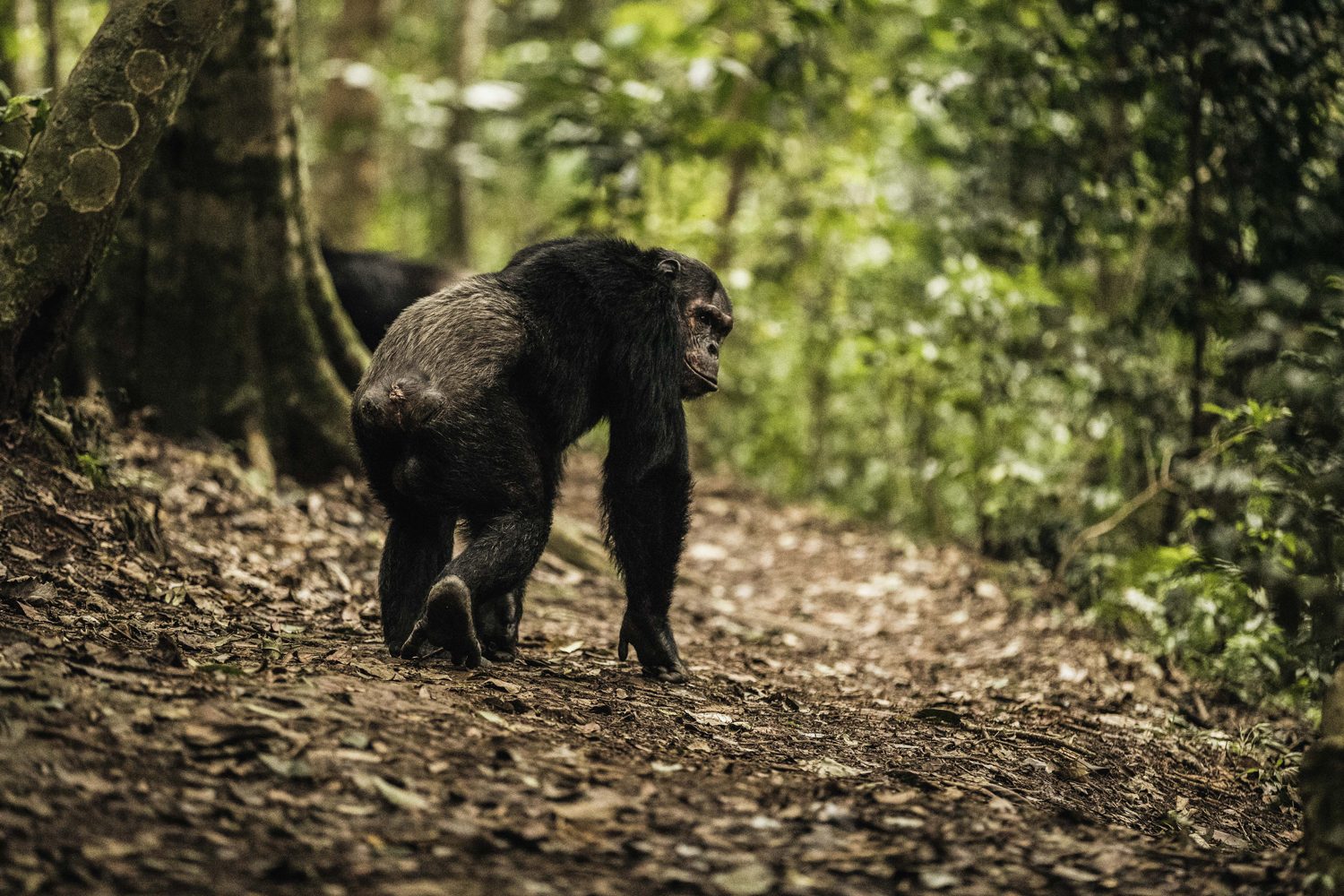
📍 Uwinka Sector · Central NyungweTwo experiences, one park, one day. The canopy walkway — a 200-metre suspension bridge swaying 70 metres above the forest floor — gives you the view that only hornbills usually get: looking down into a 25,000-year-old forest. Then, after lunch, your guide picks up fresh chimpanzee knuckle-prints in the soft soil and you track them through the understorey, listening for the drumming that means a feeding party is close. When you find them — and you usually do — they are completely indifferent to your presence.
The colobus monkeys come to you on the canopy walk. Troops of 400+ Angolan colobus — the largest colobus groups on earth — move through the canopy level with the bridge. You are briefly part of their world rather than looking up at it from below.
What to expect
Canopy walk permit: USD 60. Chimpanzee trek: USD 90. Both can be done in a single full day from Uwinka visitor centre. Chimp tracking starts at 5:30am — the dawn chorus in Nyungwe is an experience in itself. The Kamiranzovu Waterfall trail (3 hours, moderate) passes through the most intact old-growth section of the forest and is the best birding route in the park.
 Birding Trail
Kamiranzovu Waterfall Trail
📍 Nyungwe Forest · Southwest SectorA 3-hour moderate trail through the densest section of Nyungwe’s old-growth forest, descending through orchid-draped trees to a spectacular waterfall. This trail passes through the home range of the park’s most habituated colobus troops and delivers the best chance of seeing the Albertine Rift’s endemic bird species — 29 are found only in this narrow strip of highland forest.
The 29 Albertine Rift endemic bird species here — including the red-collared mountain-babbler and the Ruwenzori turaco — are found in no other country. For birders, this trail alone justifies the journey to Nyungwe.
Details
Trail permit: USD 50 (includes guide). Duration: 3 hours. Difficulty: moderate — forest paths are well-maintained but can be slippery after rain. Best done in the morning when the birds are most active. The trail starts from Uwinka visitor centre (same starting point as the canopy walk).

Lake Kivu — Gisenyi to Kibuye
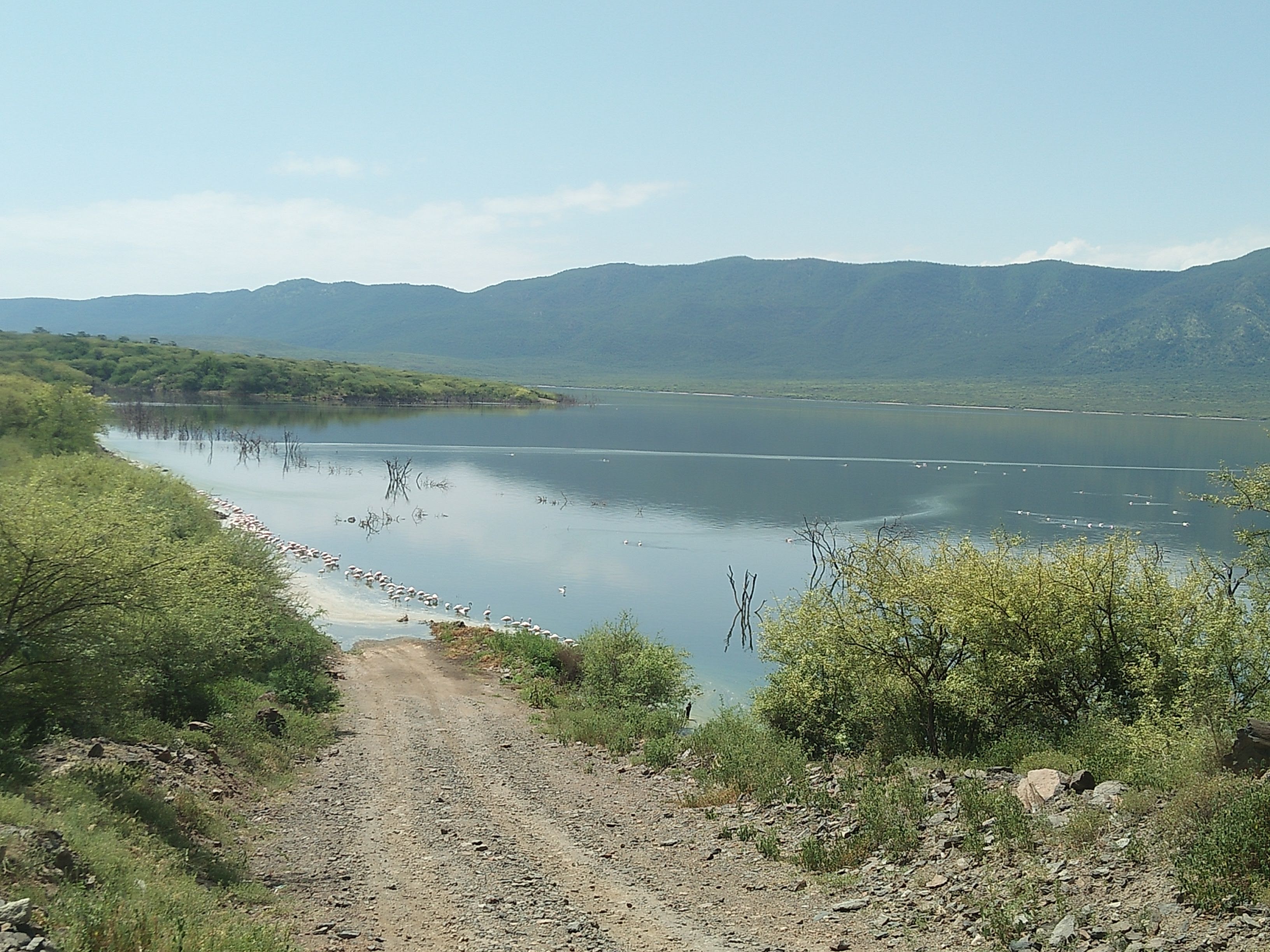
📍 Western Rwanda · Congo BorderLake Kivu doesn’t have hippos or crocodiles — which means you can actually swim in it. One of only a handful of Africa’s great lakes that is safe to enter, this vast expanse of island-dotted freshwater sits between Rwanda and the DRC, flanked by volcanic hills that turn extraordinary colours at dusk. The lake road between Gisenyi (Rubavu) and Kibuye (Karongi) is one of Rwanda’s most scenic drives.
Boat trips to Napoleon Island reveal one of Africa’s largest fruit bat colonies — hundreds of thousands departing at dusk in a vortex that darkens the sky above you for several minutes. Nothing in Rwanda’s wildlife calendar prepares you for the scale of it.
Details & Logistics
Lake Kivu is 2.5 hours from Kigali. Best stay: Gisenyi/Rubavu for northern access (close to Volcanoes NP) or Kibuye/Karongi for southern end near Nyungwe. The lake road itself — all 3 hours of it — is worth the drive. Napoleon Island bat colony: evening boat trip, approximately USD 30, through any lakeshore hotel.
The most remarkable conservation turnaround in Africa. A park nearly abandoned in the 1990s — stripped of its lions and rhinos, its land carved up for farmland — reborn as a fully functioning Big Five ecosystem through a community-conservation model that has become a global template.
 ★ Big Five Restored
Akagera National Park
📍 Eastern Province · 2.5 hrs from KigaliLions were reintroduced in 2015. Black rhinos from South Africa arrived in 2017. Today, Akagera has elephants, hippos, leopards, giraffes, and crocodiles in a landscape of open savanna, papyrus swamps, and a chain of interconnected lakes that shelter some of the most spectacular hippo concentrations in East Africa. This is a genuinely different Rwanda from the forest parks — hot, flat, and alive with the familiar sounds of an African savanna.
The afternoon boat safari on Lake Ihema is one of the finest in East Africa — over 1,000 hippos in a single lake, hippo pods surfacing two metres from the boat, crocodiles on every sandbank, and the lake papyrus fringed with shoebill stork habitat. Rwanda’s complete opposite: savanna and water after all those volcanic forests.
Getting There & Practicalities
Akagera is 2.5 hours from Kigali by road — easily combined with Kigali at the start or end of a Rwanda trip. Entry fee: USD 50/person. Lake Ihema boat safari: USD 35/person. The park’s private management partner (African Parks) has built excellent camp infrastructure.
The conservation story
In the aftermath of the 1994 genocide, 1.5 million displaced Rwandans resettled inside Akagera’s boundaries. By 2000 it had lost half its land and all of its lions, rhinos, and wild dogs. African Parks took co-management in 2010. Today the park is self-funding through tourism — a model that is being replicated across Africa.
 Birder’s Choice
Akagera Lakes & Papyrus Birding
📍 Lake Ihema & Swamp ChainThe chain of lakes along Akagera’s western edge — Ihema, Shakani, Hago, Rwanyakizinga — holds one of East Africa’s finest concentrated birding circuits. 525+ species, including the shoebill stork, papyrus gonolek, and African skimmer. The papyrus swamps between the lakes are among the most extensive in Rwanda.
Akagera has the only population of papyrus yellow warblers in Rwanda — a species so restricted in range that most birders travel specifically to see it. The shoebill, with a prehistoric 24-centimetre bill and a fixed stare that feels genuinely confrontational, is also more reliably seen here than almost anywhere.
Birding Logistics
Early morning boat safaris (6am departure) give the best light and the most active birds. A dedicated birding guide can be arranged through Akagera Game Lodge or Ruzizi Tented Lodge. Half-day birding circuit by vehicle covers 5 lakes and typically records 80–100+ species.
 After Dark
Night Game Drive
📍 Akagera National ParkAkagera is one of the few parks in Rwanda where night drives are permitted — and the nocturnal cast is compelling. Leopards emerge from their daytime hiding places, genets hunt along drainage lines, and the swamp edges come alive with eyes in the torchlight. The park’s recently reintroduced lions are often located at night by their tracks crossing the road.
Akagera’s servals — medium-sized spotted cats rarely seen by day — are consistently encountered on night drives, hunting through the tall grass at the edge of the acacia woodland. No other park in Rwanda offers serval sightings like this.
Details
Night drives: USD 40/person with park guide. Depart at 6:30pm, return by 10pm. Must be booked through park reception. Only permitted within the park on designated routes. Bring a warm layer — Akagera can be surprisingly cold after dark in July–August.
Consistently voted Africa’s cleanest city. Streets swept daily. Plastic bags banned since 2008. On the last Saturday of every month, 12 million Rwandans — from the president to schoolchildren — stop work and clean their country together. Kigali is what happens when a nation decides, collectively, to build something better from absolute ruin.
 ★ Rwanda’s Capital City
Kigali
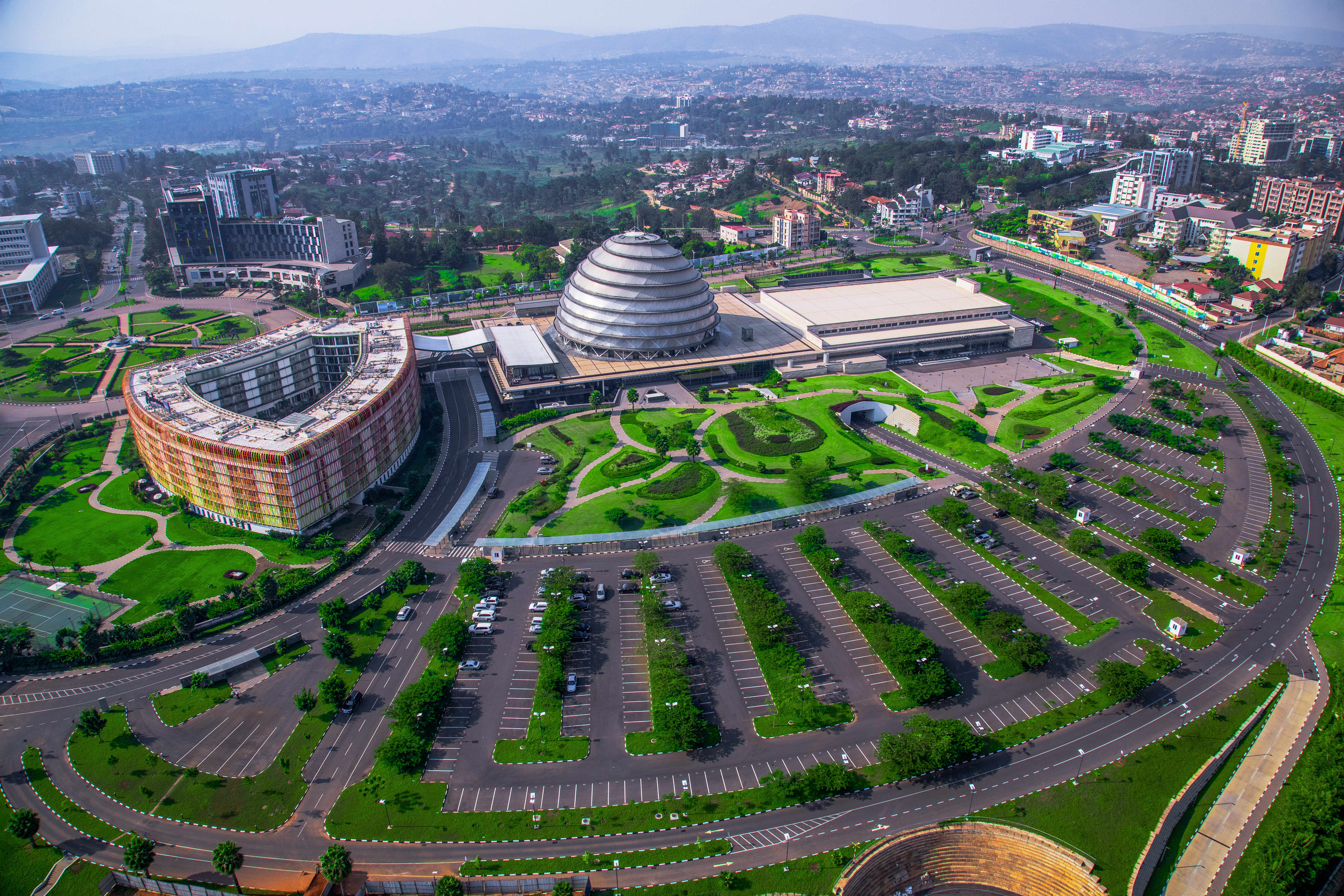
No African capital looks quite like this. At 1,550m on a cluster of hills, Kigali moves with an efficiency and civic pride that is genuinely startling. The roads have no potholes. The air smells clean. Drivers indicate before changing lanes. In 1994 this city was the epicentre of one of the 20th century’s defining atrocities. Thirty years later it is a case study in what intentional collective recovery looks like.
Spend at least one full day here — ideally two. The Genocide Memorial demands honest attention. The Inema Arts Center rewards curiosity. The restaurant scene, anchored by a farm-to-table culture rooted in the surrounding volcanic farmland, is genuinely excellent.
Non-Negotiable
Kigali Genocide Memorial
📍 Gisozi · KigaliThe most important site in Kigali and one of the most significant in Africa. 250,000 victims are buried here — in graves that extend under the memorial garden. The exhibition documents the 1994 genocide with unflinching clarity, charts the Rwandan path of reconciliation, and ends with something very rare: evidence that a nation can, collectively, choose healing over resentment.
The children’s memorial — individual photographs, names, ages, and last words — makes everything abstract and distant suddenly, unbearably personal. It is one of the most carefully and humanely designed memorial spaces in the world. Allow three hours. Do not rush it.
Visiting
Open daily 8am–5pm. Free entry. Audio guides (USD 10) add significant depth — highly recommended. The on-site café is quiet and thoughtfully designed for reflection. Come on the first morning of your Rwanda trip. It will frame everything that follows.
 Contemporary Art
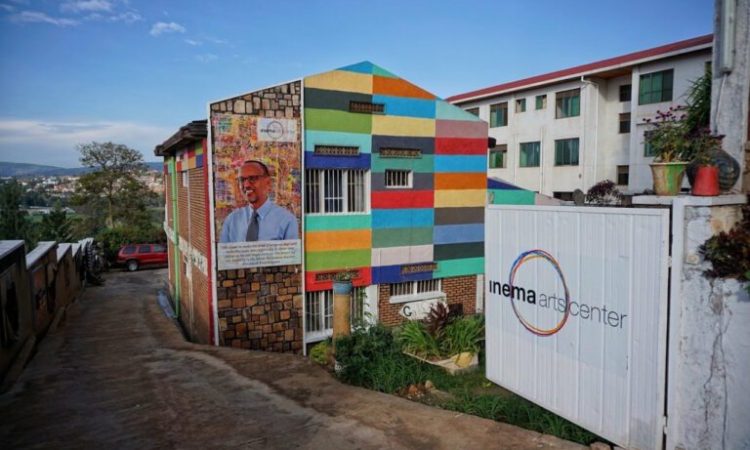
Inema Arts Center
📍 Kimihurura · KigaliA large warehouse space in Kigali’s embassy district transformed into an open artist studio, gallery, and cultural meeting point. Founded in 2012 by brothers Emmanuel and Innocent Nkurunziza, Inema showcases contemporary Rwandan art that engages directly with history, identity, and vision of the future — work that is political, joyful, and commercially accessible.
The Saturday afternoon dance performances — a weekly community gathering that has run since the centre opened — are one of Kigali’s most spontaneous and genuine cultural experiences. Artists, diplomats, and local families watch together. No tickets, no performance, just people dancing in a courtyard.
Details
Open Mon–Sat 9am–6pm. Free entry. The Saturday dance performances start around 3pm and run for 1–2 hours. Art prices range from USD 100 to several thousand. The attached café serves Rwandan coffee roasted on-site — exceptional.
 Local Life
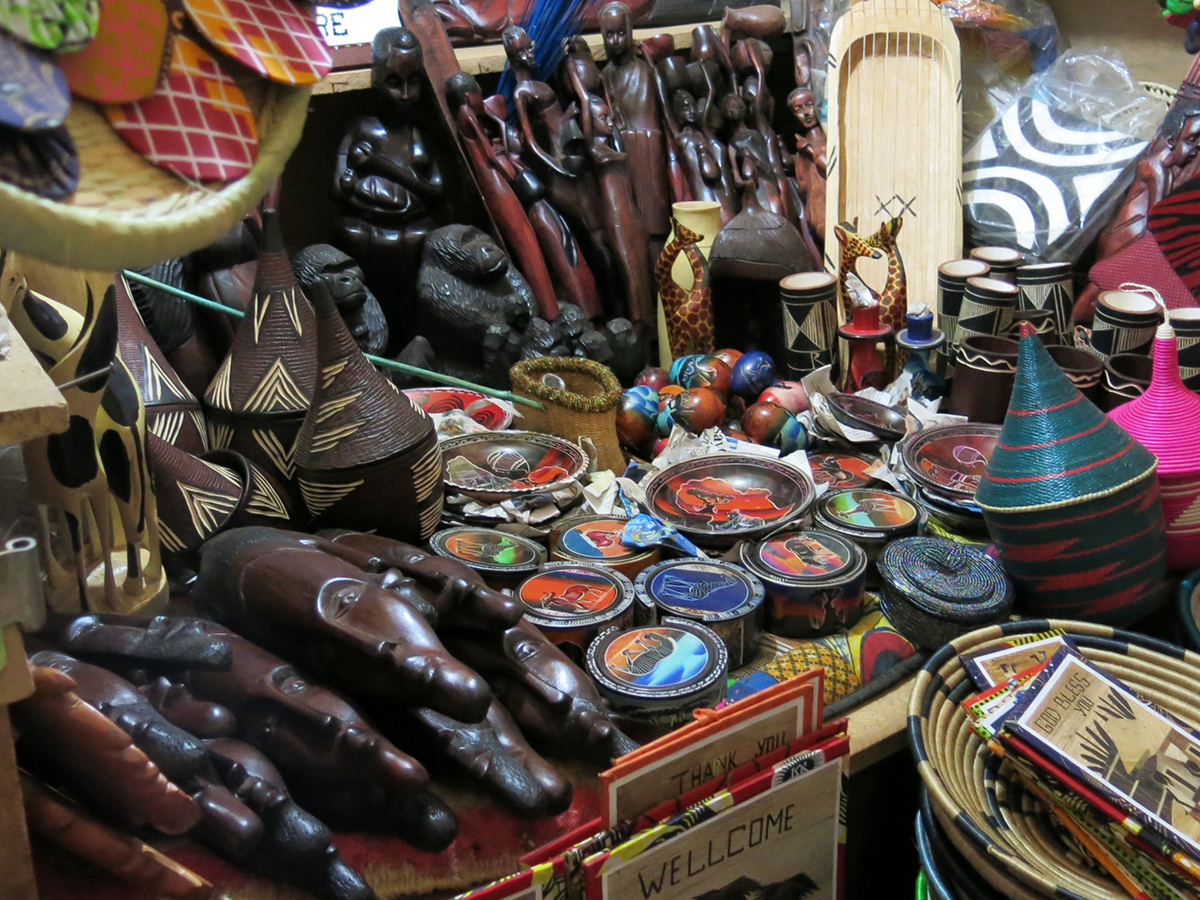
Kimironko Market & Local Kigali
📍 Kimironko · East KigaliKigali’s largest market — a covered warren of tailors, fabric sellers, vegetable traders, and mobile phone repairers that has operated on this site for decades. The food section in the early morning is the best snapshot of Rwandan daily commerce you can find. Haggling is gentle and good-humoured. The fabric stalls sell Ankara prints not found in tourist shops.
The tailors on the upper level will make a custom Ankara shirt or dress in 24 hours from fabric you choose downstairs. It costs less than a cup of coffee in most European cities. The fabric selection — direct from West African merchants — is extraordinary.
Details
Open daily, busiest Saturday morning. Free entry. Arrive before 9am for the freshest produce and least crowded aisles. Bring RWF cash. The tailors on Level 2 take WhatsApp measurements and can deliver to your hotel — discuss clearly what you want and agree price in full before they start cutting.
The destinations most visitors never find — and that our most observant travellers treasure most. Rwanda’s lesser-known corners reward those who look beyond the gorilla permit.
 Few Visitors
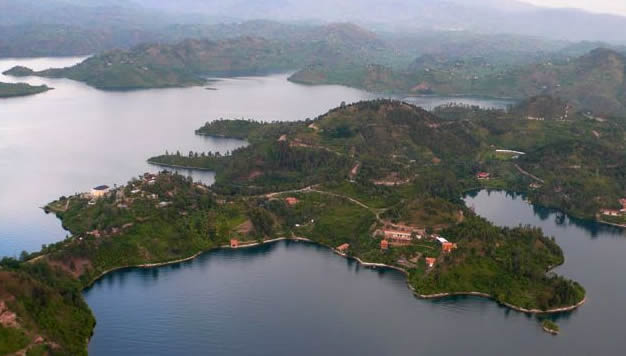
Twin Lakes — Burera & Ruhondo
📍 Northern Province · 20 min from MusanzeTwo volcanic lakes sitting side by side in the misty hills above Musanze, their water reflecting the Virunga volcano cones above them. Lake Burera is scattered with inhabited islands reached by dugout canoe. At dawn, mist settles over the still surface and the light is extraordinary.
Paddling a dugout canoe through island communities going about their morning routines — fishermen pulling nets, children walking to school along the water’s edge — with the summit of Karisimbi volcano appearing through cloud above you. Almost no other tourists. No price of admission.
Details
20 minutes by road from Musanze. No entry fee — the lakes are community-managed. Canoe hire through local boatmen at the lakeshore: approximately RWF 5,000–8,000 for a 2-hour paddle. Best combined with a gorilla trek the following morning.
 Underground Rwanda
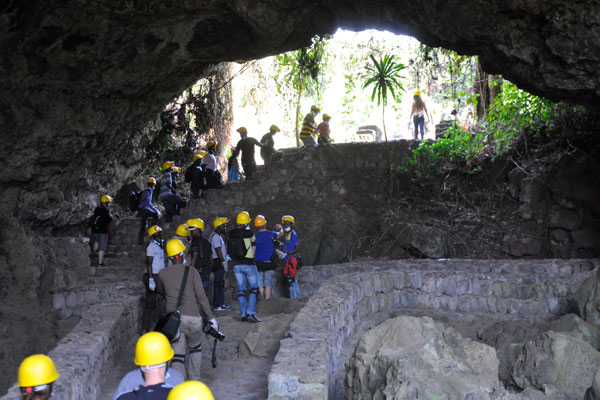
Musanze Caves
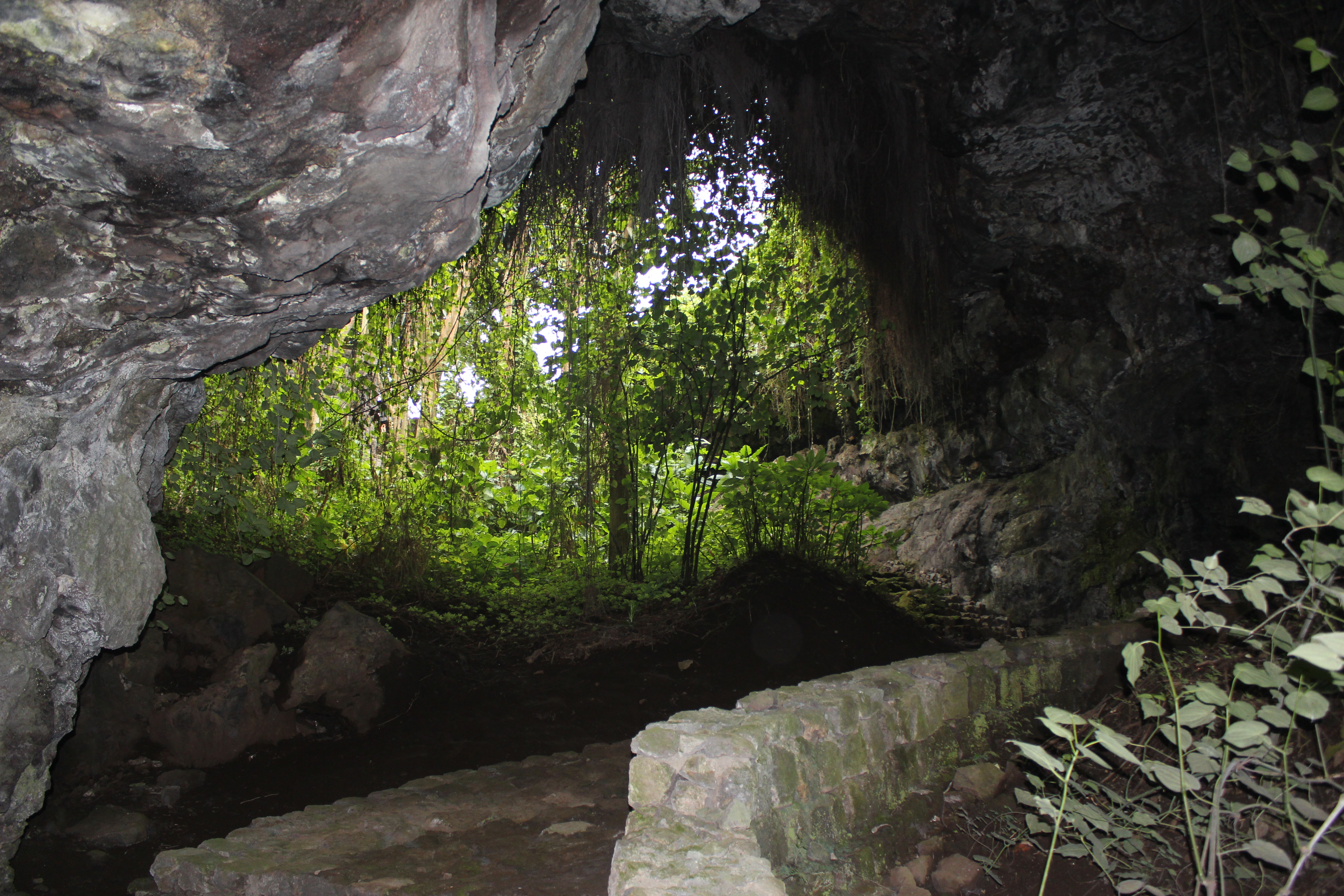
📍 Musanze Town · Northwest RwandaA 2km underground lava tube system created by Virunga volcanic eruptions — one of the most extensive cave networks in Central Africa. Thousands of people sheltered inside during historical conflicts; the cave walls still show smoke markings from their fires. Guided tours weave through chambers with stalactites, bat colonies, and ancient archaeological deposits.
The caves are not a tourist attraction — they were a refuge. The ranger guide who leads you through was born in Musanze and knows whose grandparents hid inside these chambers. The personal dimension of the history, told in this context, is something no museum exhibit can replicate.
Details
Entry: USD 15. Duration: 1–1.5 hours. In Musanze town, 5 minutes from most guesthouses. Can be combined with a Twin Lakes afternoon and gorilla trek the following morning for an excellent 2-day Musanze itinerary. Headtorch and warm layer recommended.
 Newest Park
Gishwati-Mukura National Park
📍 Western Province · Between Kivu & NyungweA forest that was almost entirely destroyed in the post-genocide period and has now been painstakingly replanted and restored. Chimpanzees, golden monkeys, and colobus have returned naturally as the canopy has grown back. Rwanda’s newest national park — gazetted in 2016 — and probably the least-visited. The fact that it exists at all is an extraordinary act of collective will.
You walk in a forest that has entirely regrown within a single human generation — trees planted by community members in the 1990s now form a closed canopy. Standing inside it, knowing what it replaced, is a profoundly moving experience that exists nowhere else in the world.
Details
Entry: USD 40. Located between Lake Kivu and Nyungwe — best incorporated as a half-day stop on the Kigali–Nyungwe road. Chimp tracking: USD 60 (less reliable than Nyungwe but rapidly improving as the forest matures). A green corridor now connects Gishwati to Nyungwe — wildlife moves between them.
“Rwanda teaches you that a country is not a fixed thing. It is a decision — made every day, by everyone, to become something different.“— Alval Safaris · Kigali, Rwanda
Ready to Plan Your Rwanda Journey?
Whether it’s gorilla permits for Volcanoes NP, a full Rwanda circuit combining Kigali, Nyungwe, and Akagera, or a Rwanda–Kenya combination — we build every itinerary from scratch. All pricing quoted in KES. Permits sourced directly through Rwanda Development Board.