Every Corner
a New Adventure
From Kenya’s iconic Maasai Mara and Rwanda’s misty gorilla forests to Morocco’s ancient medinas, Egypt’s timeless pyramids, Dubai’s golden skyline, and Thailand’s emerald temples — discover every destination Alval Safaris can take you to.


A Country of Extraordinary Variety
Kenya sits at Africa’s crossroads — wild enough to thrill, accessible enough to explore. No two regions feel the same.
Kenya is not a single destination — it is an entire continent of experiences compressed into one country. In a single week you can stand beneath the snows of Africa’s second-highest peak, watch two million wildebeest thunder across a river, feel the Indian Ocean between your toes on a powder-white beach, and share a meal with a Maasai elder under a canopy of stars.
The country divides naturally into distinct regions, each with its own character, landscapes, wildlife, and culture. The iconic southern safari circuit draws the most visitors, but the remote northern frontier, the ancient Swahili coast, the misty Aberdare highlands, and the rainforests of the west each hold wonders that remain largely undiscovered.
Use the interactive map to explore by geography — hover over any pin for a preview, then click to jump to that destination below.
Nairobi
Giraffe Centre
Just minutes from Nairobi’s city centre, the Giraffe Centre offers one of Kenya’s most intimate and joyful wildlife encounters — feeding endangered Rothschild’s giraffes by hand from a raised wooden platform, often receiving a surprisingly long, purple-tongued kiss in return.
The centre protects one of the world’s most endangered giraffe subspecies — fewer than 800 Rothschild’s giraffes survive in the wild. Founded in 1979 by Jock and Betty Leslie-Melville, it has since released over 10 giraffes to wildlife sanctuaries across Kenya and runs extensive conservation education programmes for thousands of Kenyan schoolchildren each year.
Find Any Destination
Search across all 11 countries — by name, wildlife, activity, or experience. Press Enter or click a result to go there instantly.


The great southern safari circuit — home to the most iconic wildlife encounters on earth. This is where Africa’s story plays out at its most dramatic.
Maasai Mara National Reserve
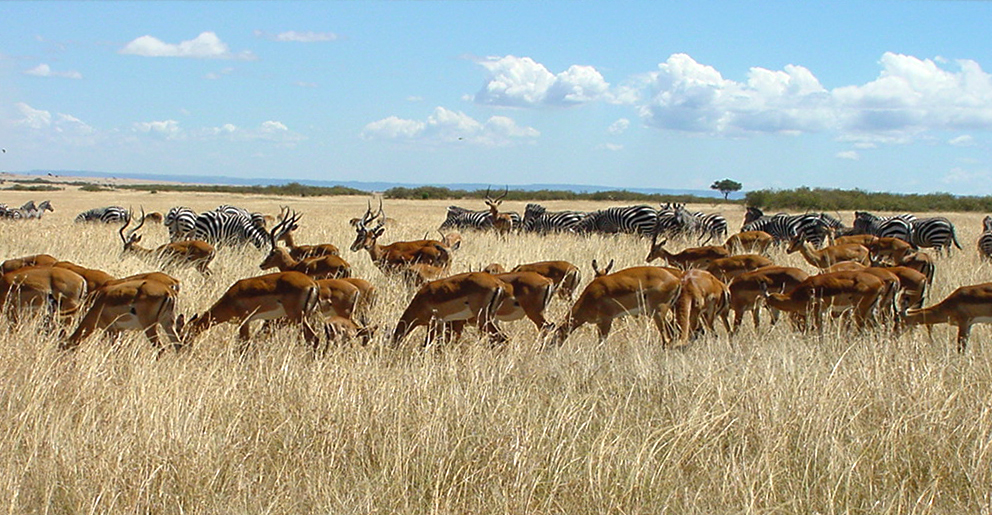
📍 Narok County · South-West KenyaKenya’s most celebrated wildlife reserve — and arguably the greatest on earth. The Mara hosts the Great Migration (1.5–2 million wildebeest, July–October) and year-round supports the highest density of lion, leopard, and cheetah in Africa. The open savanna, dramatic Mara River crossings, and vast Mara Triangle combine for an unmatched safari experience. Private conservancies — Naboisho, Olare Orok, Mara North — permit night drives and walking safaris unavailable inside the national reserve.
Why the Mara is Unmissable
The Mara Triangle holds Kenya’s highest leopard density. Cheetahs are spotted on open plains daily. The river crossings — 1.5 million animals charging through crocodile-filled water — rank among nature’s most dramatic spectacles. The surrounding conservancies permit activities impossible in the national reserve itself: night drives, walking safaris, and fly camping.
Best Months
🟢 Peak (Migration) Jul–Oct · 🟡 Good year-round · White = shoulder

Amboseli National Park
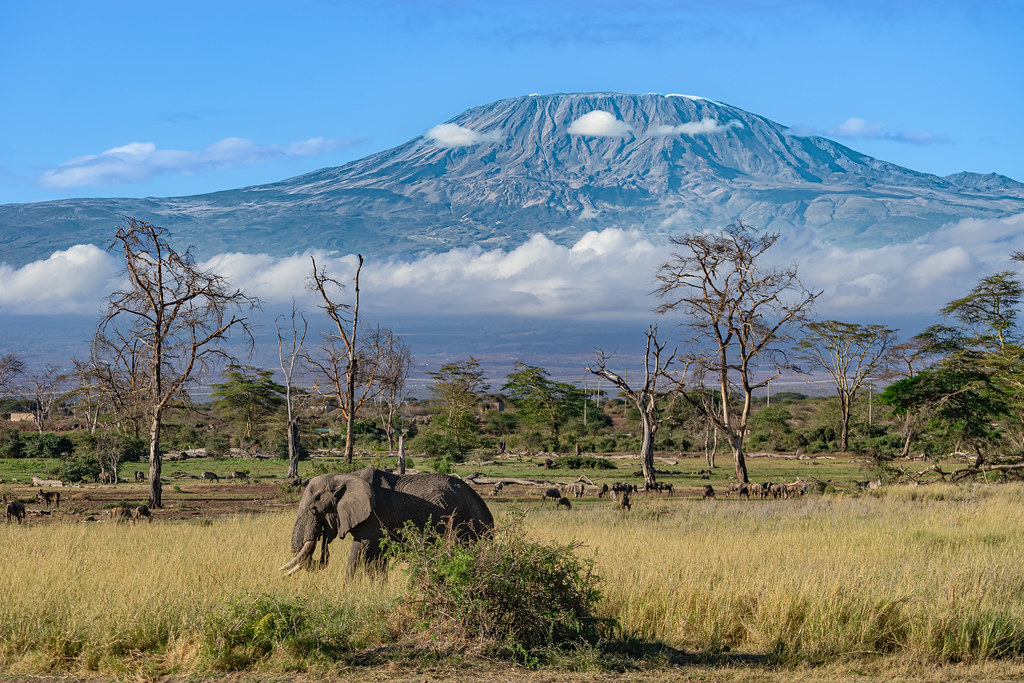
📍 Kajiado County · South KenyaKenya’s most photographed scene — vast elephant herds beneath Kilimanjaro’s snow-capped peak. The Amboseli elephant families are among the most studied on earth. Kilimanjaro-fed swamps draw extraordinary wildlife concentrations year-round including 420+ bird species. Best visited at dawn before clouds obscure the mountain.
Why Visit
Amboseli offers an intimate elephant experience unlike anywhere else — guides have studied individual animals since the 1970s and can identify families by name. The open terrain makes for superb photography. Best combined with the Maasai Mara for a complete southern Kenya safari.
Best Months

Tsavo East & West National Parks
📍 Coast & Eastern ProvincesKenya’s largest national park — sheltering one-third of the country’s elephant population. Famous for “red elephants” who bathe in iron-rich volcanic soil, and Tsavo West’s crystal-clear Mzima Springs where hippos and crocodiles are visible through an underwater glass viewing chamber.
Why Visit
Tsavo is a genuine wilderness — vast, largely untouched, and a fraction of the crowds of the Mara. Tsavo West’s Mzima Springs has an underwater glass-walled viewing chamber to watch hippos from below the surface. The Shetani Lava Flow creates an otherworldly black volcanic landscape. Tsavo’s famous maneless male lions are a distinct and fascinating population found nowhere else.

Chyulu Hills National Park
📍 Makueni County · Between Amboseli & TsavoMade famous by Hemingway’s “Green Hills of Africa” — an 80km chain of young volcanic cones between Amboseli and Tsavo. World-class horse-riding terrain, black rhino conservation, and the Leviathan Cave — one of the world’s longest lava tubes at 12km. Private Kilimanjaro views from Kenya’s most exclusive safari lodge.
Why Visit
The Chyulu Hills combine dramatic volcanic scenery with world-class horse safaris and black rhino conservation. The Leviathan Cave is one of the world’s longest lava tubes. Ol Donyo Lodge, perched with private Kilimanjaro views, is consistently cited as one of Africa’s finest safari experiences.

Shimba Hills National Reserve
📍 Kwale County · Near Diani BeachKenya’s only coastal rainforest reserve — the last habitat of the rare sable antelope. The spectacular Sheldrick Falls plunges through forest canopy. Easily combined with a Diani beach stay as a half-day safari excursion from the coast.
Why Visit
Shimba Hills is the only place in Kenya to see the magnificent sable antelope. The forest canopy walk and Sheldrick Falls trail are both rewarding, and the coastal forest birdlife is exceptional. A perfect half-day addition to any Diani beach stay.
Snow-capped equatorial peaks, misty highland forests, community conservancies, and world-class trekking. Central Kenya is where adventure meets conservation.

Mount Kenya National Park & Reserve
📍 Central Kenya · Straddles the EquatorAfrica’s second-highest mountain at 5,199m — an ancient extinct volcano whose glaciated peaks straddle the equator. UNESCO-listed lower slopes shelter montane rainforest alive with elephants, buffalo, and the extremely rare mountain bongo. Four distinct ecological zones — rainforest, bamboo, moorland, and afro-alpine desert — make for the most varied trekking in Africa.
Why Visit
Point Lenana (4,985m) is achievable without technical equipment on 3–5 day guided routes. The afro-alpine moorlands — with giant lobelias towering overhead — are an utterly otherworldly landscape found nowhere else. Even non-climbers can explore the forest zone, staying at mountain lodges and spotting forest elephants and leopards.
Laikipia Plateau & Conservancies
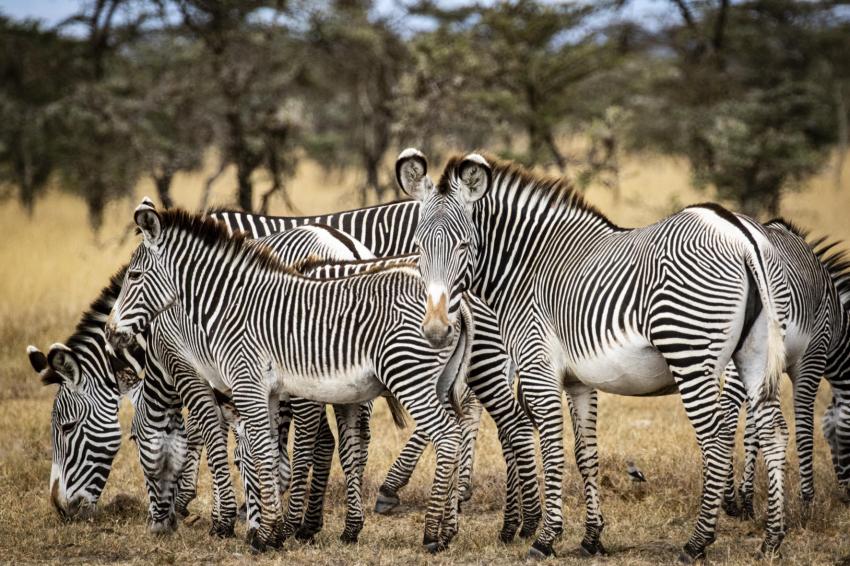
📍 Laikipia County · Central KenyaKenya’s second-largest wildlife area — a mosaic of private conservancies harbouring Africa’s most endangered species: 100+ black rhinos, wild dogs, and Grevy’s zebras. Laikipia pioneered the community-conservation model now emulated across the continent. Night drives, walking safaris, camel treks, and horse riding all available.
Why Visit
Laikipia is where conservation tourism is done right. Every lodge is community-owned or community-benefiting. Ol Pejeta Conservancy holds the world’s last two northern white rhinos — Najin and Fatu. The range of activities (night drives, walking, horse-riding, camelback, fly camping) is unmatched anywhere in Kenya.

Aberdare National Park
📍 Nyeri County · Central HighlandsA rain-soaked highland wilderness of jagged peaks, waterfalls, and dense montane forest. Home of the famous Treetops Lodge where Queen Elizabeth II learned of her accession in 1952. Night viewing at floodlit waterholes draws elephant, rhino, and buffalo through the darkness.
Why Visit
The Aberdares offer a completely different Kenya experience — forest not savanna, mist and waterfalls not dust and sun. Night game viewing from the famous tree lodges is spectacular. The Karuru Falls (273m) are among Kenya’s highest waterfalls, and the high moorlands above 3,000m are hauntingly beautiful.

Meru National Park
📍 Meru County · North-Central KenyaWhere Elsa the lioness from “Born Free” roamed — one of Kenya’s most beautiful yet least-visited parks. Crossed by 13 rivers from Mount Kenya, with a dedicated rhino sanctuary protecting both black and white rhinos. 427 bird species and almost no other visitors.
Why Visit
Meru’s greatest asset is solitude. Visitor numbers are a fraction of Amboseli or the Mara — you can spend hours watching a leopard hunt without another vehicle in sight. The park’s rivers create reed-fringed channels teeming with hippos and crocodiles, and the Big Five are all present.
One of earth’s most dramatic geological features — a 9,600km crack in the planet’s crust that has created a chain of lakes, volcanoes, geysers, and extraordinary wildlife habitats across Kenya.

Lake Nakuru National Park
📍 Nakuru County · Central Rift ValleyKenya’s most colourful park — a soda lake fringed with fever trees historically famous for flamingo concentrations that turn the entire shoreline pink. Also one of the best places in East Africa to see both black and white rhino on the same game drive, plus lion, leopard, giraffe, and 450+ bird species.
Why Visit
Lake Nakuru delivers extraordinary wildlife density within a compact, fully fenced park. Up to two million lesser flamingos can turn the shoreline solid pink. Both black and white rhinos are reliably seen — making this Kenya’s best park for seeing all the Big Five’s “horned” species in a single visit.

Hell’s Gate National Park
📍 Naivasha · Rift ValleyKenya’s only park where you walk and cycle freely among the wildlife — no guide required. Dramatic volcanic cliffs, geothermal geysers, and a spectacular gorge inspired the landscapes of Disney’s The Lion King. Giraffes and zebras wander around cyclists with complete indifference.
Why Visit
Hell’s Gate is unique in Africa — the only park where visitors cycle and walk freely through wildlife without mandatory guides. The gorge hike (2–3 hours) winds through narrow slots of red volcanic rock with hot springs at the base. Combine with Lake Naivasha next door for a full rewarding day.

Lake Naivasha
📍 Nakuru County · Southern Rift ValleyA freshwater gem fringed by yellow fever trees and home to enormous hippo pods that surface metres from lakeshore lodges. Crescent Island wildlife sanctuary offers walking safaris among giraffes and zebras — with no predators present. Just 90 minutes from Nairobi.
Why Visit
Lake Naivasha combines perfectly with Hell’s Gate for a great weekend from Nairobi. Crescent Island is predator-free — one of the few places in Kenya where you walk freely among giraffes and zebras. Dusk boat rides with hippos surfacing nearby are magical.

Lake Baringo & Lake Bogoria
📍 Baringo County · Northern Rift ValleyTwo of the Rift Valley’s most atmospheric lakes — Baringo with over 470 bird species, resident crocodiles, and hippos; and Bogoria where geysers erupt along the shoreline while flamingos wade through clouds of steam. Together they form one of Africa’s finest birding circuits.
Why Visit
Baringo is an obsession for serious birders — 470+ recorded species in a compact area. Lake Bogoria’s geothermal activity creates one of Africa’s most surreal landscapes — geysers shooting boiling water, flamingos wading, steam rising from the shore. Both lakes are easily combined in a single day trip.
Vast semi-desert landscapes, ancient tribal cultures, camel caravans, and wildlife found nowhere else on earth. The north is Kenya’s last great frontier — wild, remote, and unforgettable.

Samburu National Reserve
📍 Samburu County · Northern KenyaWhere Kenya’s wildlife gets exotic. Samburu is home to the “Northern Special Five” — species found only in this arid region: the reticulated giraffe, Grevy’s zebra, Beisa oryx, Somali ostrich, and gerenuk (the giraffe antelope that feeds standing on its hind legs). The Ewaso Ng’iro River is a lifeline drawing extraordinary wildlife concentrations.
Why Visit
Samburu offers all the classic safari thrills plus a set of endemic species you simply cannot see in the south. Leopards are seen daily along the riverine vegetation; large elephant families wade in the river each afternoon. The Samburu people are among Kenya’s most culturally intact communities.

Lake Turkana — The Jade Sea
📍 Turkana County · Far North KenyaThe world’s largest permanent desert lake — jade-green alkaline water in one of earth’s most otherworldly landscapes. Known as the “Cradle of Mankind” — Turkana’s shores have yielded more early human fossils than anywhere on earth. Central Island’s crater lakes teem with breeding Nile crocodiles.
Why Visit
Turkana is for the true adventurer. The journey itself — over desert roads through tribal territories — is part of the experience. Central Island National Park shelters one of the world’s largest populations of Nile crocodiles on its crater lake shores.

Marsabit National Park
📍 Marsabit County · Northern FrontierAn extinct volcano rising improbably from the northern desert, its summit wrapped in cloud forest hiding two volcanic crater lakes. Lake Paradise — made famous by naturalists in the 1920s — is one of Africa’s most remote and beautiful waterways. The forest elephants here carry some of the largest tusks remaining in Kenya.
Why Visit
Marsabit is one of Kenya’s most surreal contrasts — after hundreds of kilometres of desert, a lush cloud forest rises improbably from the plains. The forest elephants carry some of the largest tusks remaining in Kenya, and the local Borana and Rendille peoples maintain fascinating pastoral traditions.

Mathews Range
📍 Samburu County · Northern KenyaOne of Kenya’s most genuinely undiscovered destinations — an isolated mountain range managed entirely by the Samburu community. The Namunyak Wildlife Conservancy protects 850,000 acres of pristine wilderness with elephants, greater kudu, and wild dogs. Sarara Camp overlooks a floodlit waterhole where elephants visit at night.
Why Visit
Very few visitors reach the Mathews Range, meaning those who do have the wilderness entirely to themselves. All guides are local Samburu warriors with extraordinary tracking skills and cultural knowledge. This is community conservation at its most authentic.
480km of Indian Ocean coastline — ancient Swahili cities, powder-white beaches, coral gardens, dhow ports, and some of the warmest seas on earth. Kenya’s coast is a world apart.

Diani Beach
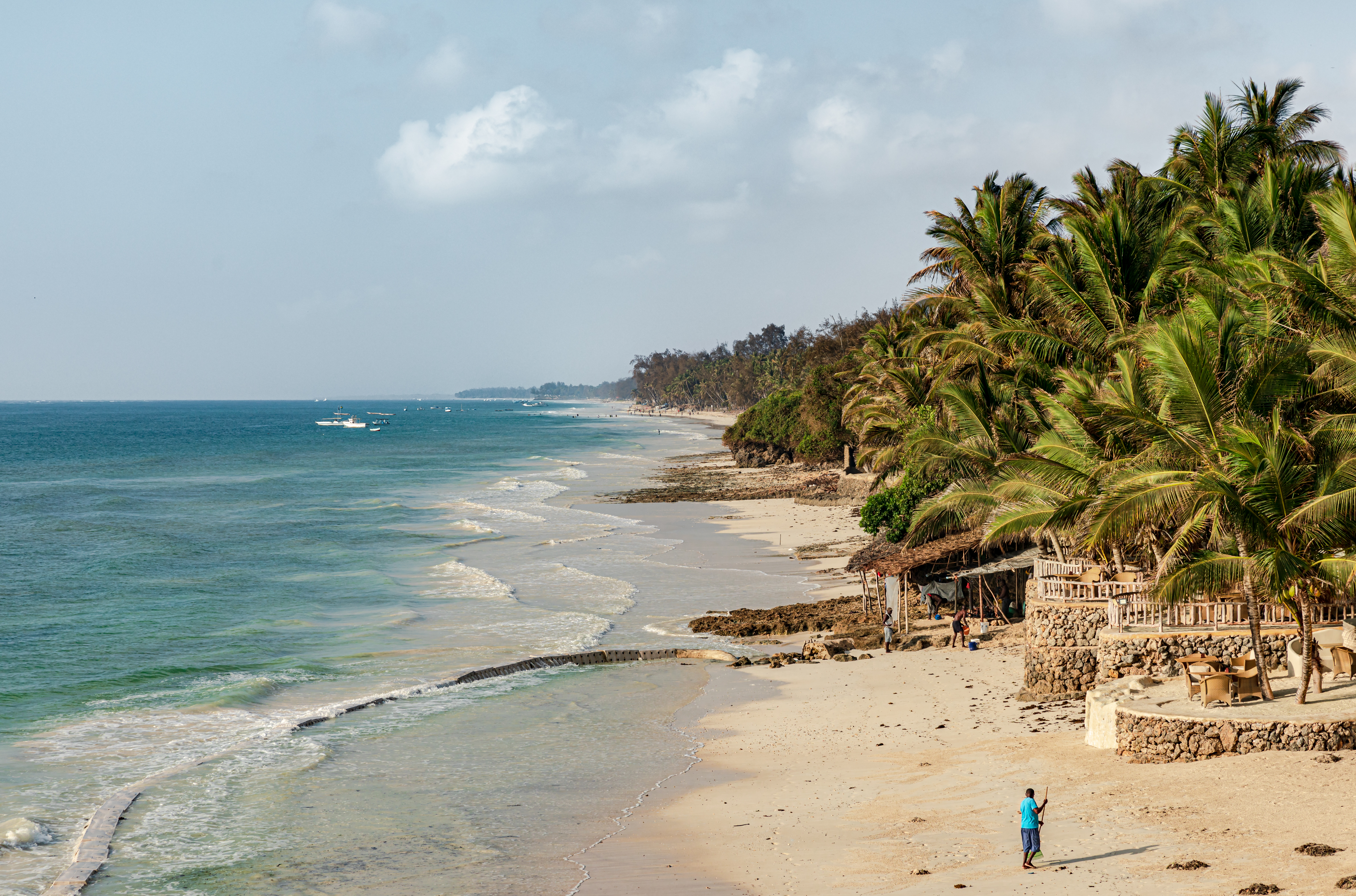
📍 Kwale County · South CoastRepeatedly voted Africa’s leading beach destination — 10km of impossibly white sand, swaying coconut palms, and turquoise Indian Ocean water. A coral reef protects the bay, creating calm swimming and world-class snorkelling. The forest behind the beach shelters rare Angolan black-and-white colobus monkeys. Kisite-Mpunguti Marine Park, 45 minutes south, offers Kenya’s finest snorkelling with spinner dolphins.
Why Visit
Diani has evolved into one of Africa’s most complete beach destinations. Water sports range from world-class kite surfing to deep-sea fishing and whale shark diving. Spinner dolphins regularly join snorkellers at Kisite-Mpunguti Marine Park. Sunset dhow cruises are a Diani institution not to be missed.
Lamu Island & Archipelago
📍 Lamu County · Northern CoastKenya’s most enchanting destination — a UNESCO World Heritage island city where the 14th century still breathes. No cars, only donkeys and wooden dhows. The labyrinthine streets of Lamu Old Town lead past carved Swahili doorways, rooftop terraces, and bougainvillea-draped courtyards. Time moves differently here.
Why Visit
Lamu Old Town has remained largely unchanged for centuries. The annual Lamu Cultural Festival (November) is one of Africa’s finest cultural events. The surrounding archipelago — Manda, Pate, and Kiwayu — offers remote beaches, ancient ruins, and multi-day dhow expeditions through paradise.

Mombasa
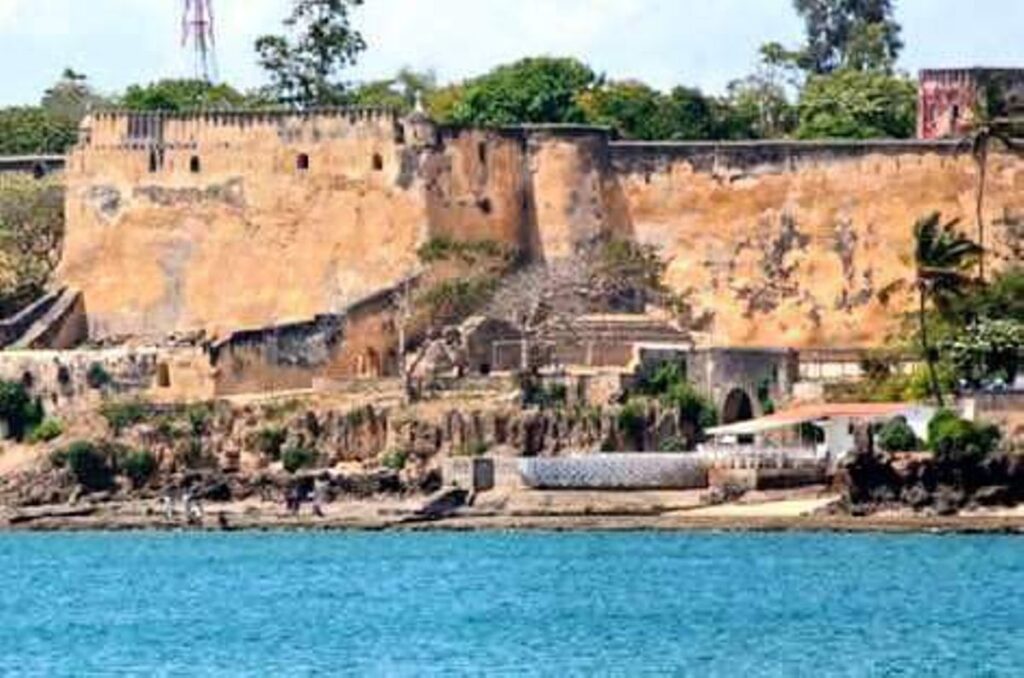
📍 Mombasa County · Kenya’s Second CityKenya’s ancient port city — steeped in a thousand years of Swahili, Arab, Portuguese, and British history. Fort Jesus (1593) commands the old harbour. The Old Town’s narrow streets are fragrant with spices and lined with intricately carved Swahili doorways. Mombasa Marine Park shelters some of the finest reef diving on the East African coast.
Why Visit
Mombasa rewards those who look beyond the resort hotels. Fort Jesus — a 16th-century Portuguese fortress — is a UNESCO World Heritage Site and one of the best-preserved examples of Portuguese military architecture in Africa. The Old Town’s spice markets and carved doorways are genuinely extraordinary.

Watamu & Gedi Ruins
📍 Kilifi County · North CoastWhere the Indian Ocean meets ancient history. Watamu’s marine park protects extraordinary coral gardens where you wade from the beach into clouds of colourful reef fish. Just inland, the mysterious 12th-century Swahili city of Gedi Ruins — swallowed by forest — awaits. Whale sharks pass through the bay seasonally (October–March).
Why Visit
Watamu’s marine park is one of the few in East Africa where you snorkel directly from the beach. Whale sharks (October–March) pass through in numbers. The Gedi Ruins — mysteriously abandoned in the 17th century — are eerie, beautiful, and still largely undiscovered by mainstream tourism.
A vibrant, modern city that surprises at every turn — with lions visible from office windows, giraffes feeding from your hand, and world-class cuisine on every corner.

Nairobi National Park
📍 7km from Nairobi CBDThe only national park on earth where you can watch lions hunt with a city skyline as the backdrop. Just 7km from central Nairobi, this fenced park shelters lions, both rhino species, buffalo, leopards, cheetahs, and over 400 bird species. Perfect for travellers with limited time — a full wildlife experience in half a day.
Why Visit
Nairobi National Park defies expectation. The southern boundary is open — allowing wildlife to migrate in and out seasonally. Dawn drives through acacia forest with the city skyline glowing behind a pride of lions is one of the most photographed experiences in Kenya.

Sheldrick Wildlife Trust
📍 Karen, NairobiOne of the world’s most celebrated wildlife conservation stories — an elephant orphan nursery that has rescued and rehabilitated 250+ elephants since 1977. The daily visiting hour (11am) — watching baby elephants guzzle milk and charge through mud — is one of Nairobi’s most moving experiences. An adoption programme connects visitors to individual animals.
Why Visit
Watching baby elephants perform their daily mud bath is one of the most joyful wildlife experiences anywhere. Combine with the Giraffe Centre and Karen Blixen Museum for a perfect Nairobi cultural and wildlife day.

Nairobi Giraffe Centre
📍 Langata, NairobiFeed endangered Rothschild’s giraffes from a raised wooden platform — and occasionally receive a rather lengthy, purple-tongued kiss. The centre protects one of the world’s most endangered giraffe subspecies (fewer than 800 remain in the wild) and runs extensive education programmes throughout Kenya.
Why Visit
The Giraffe Centre offers one of Kenya’s most accessible and memorable wildlife experiences. The Rothschild’s giraffe actively seeks out visitors on the feeding platform, and an eye-level encounter with one of the world’s tallest animals is surprisingly intimate and unforgettable.

Karen Blixen Museum & Ngong Hills
📍 Karen, NairobiThe former home of Danish author Karen Blixen, whose memoir “Out of Africa” put Kenya on the literary map. Her colonial farmhouse at the foot of the Ngong Hills is beautifully preserved as a museum. The Ngong Hills behind offer excellent hiking with panoramic Rift Valley views.
Why Visit
The Karen Blixen Museum offers a window into a vanished era. Blixen’s farmhouse, garden, and sweeping views toward the Ngong Hills are evocative. The Ngong Hills offer scenic ridge walks with magnificent views across the Rift Valley — one of Nairobi’s best half-day escapes.
Kenya’s green, fertile west — ancient rainforests, the world’s second-largest freshwater lake, extinct volcanic mountains, and the last surviving Congolian rainforest in East Africa.

Kakamega Forest
📍 Kakamega County · Western KenyaThe last remaining fragment of the ancient Guineo-Congolian rainforest that once blanketed equatorial Africa — and one of Kenya’s most extraordinary biodiversity hotspots. The forest shelters 367 bird species, seven primate species, and over 400 butterfly species found nowhere else in East Africa. Night walks reveal an extraordinary diversity of chameleons and insects.
Why Visit
Kakamega is unlike any other place in Kenya. The forest’s understorey drips with moisture, exotic ferns carpet the ground, and the canopy rings with birds found nowhere else in the country — the African dwarf kingfisher, the great blue turaco, and the black-and-white casqued hornbill. De Brazza’s monkeys inhabit the deeper sections.

Lake Victoria & Kisumu
📍 Kisumu County · Western KenyaThe world’s largest tropical freshwater lake — a world of spectacular sunsets, hippo-filled bays, and traditional fishing villages. Kisumu’s Hippo Point delivers sundowners with hippos surfacing just below. Ndere Island National Park, accessible only by boat, protects impala, hippos, and over 100 bird species.
Why Visit
Lake Victoria’s Kenyan shores are refreshingly underdeveloped. The Luo people of the lakeshore maintain rich fishing traditions, and their hand-built dhows are among the last examples of traditional East African boat-building in daily use.

Mount Elgon National Park
📍 Bungoma County · Uganda BorderOne of Africa’s largest extinct volcanoes, straddling the Kenya-Uganda border. Its vast caldera (40km across) and Kitum Cave — where salt-hungry elephants mine the cave walls with their tusks at night — make it one of Africa’s most unusual natural spectacles.
Why Visit
Kitum Cave is one of nature’s most extraordinary spectacles — elephants enter the pitch-dark cavern nightly to excavate salt from volcanic rock using their tusks. The crater rim trek offers stunning views across Uganda.
Hidden Gems
Beyond the famous names lie destinations that most visitors never find — and that our most discerning travellers treasure most.

Ol Pejeta — Last White Rhinos
📍 LaikipiaHome to the world’s last two northern white rhinos — Najin and Fatu — and the only place in East Africa where you can see rescued chimpanzees. The conservation story of a century, live.

Kisite-Mpunguti Marine Park
📍 Shimoni · South CoastKenya’s finest marine park — a remote cluster of coral islands south of Diani. Spinner dolphins swim alongside snorkellers and whale sharks pass through seasonally. Pure, pristine ocean paradise.

Mount Longonot
📍 Naivasha · Rift ValleyA perfectly cone-shaped dormant volcano with a 7km crater rim walk. One of Kenya’s most rewarding half-day hikes with spectacular Rift Valley views — just 90 minutes from Nairobi.

Arabuko-Sokoke Forest
📍 Kilifi · North CoastThe largest intact coastal forest in East Africa — home to three globally threatened bird species and a unique elephant population that survives entirely in coastal forest habitat.

Sibiloi & Koobi Fora
📍 Turkana · Far NorthWhere our species was born. The most important palaeontological site in East Africa, yielding fossils 4 million years old. A UNESCO World Heritage Site visited by almost nobody.

Loita Hills
📍 Narok · Near MaraA vast wild highland forest south of the Maasai Mara, managed entirely by the Loita Maasai community. Walking safaris with Maasai elders in fly camps — Kenya’s most authentic wilderness experience.

Ngong Hills
📍 Kajiado · Near NairobiThe misty hills above Nairobi’s Karen suburb, immortalised in “Out of Africa.” A beautiful ridge hike with views over both the Rift Valley and Nairobi — Kenya’s most accessible highland walk.

Fourteen Falls, Thika
📍 Thika · Near NairobiA spectacular 27-metre wide waterfall on the Athi River, just 50km from Nairobi. One of Kenya’s most beautiful waterfalls and an easy day trip that most Nairobi residents have somehow never made.
Rwanda — Land of a Thousand Hills
The most densely forested nation in Africa, Rwanda packs extraordinary wildlife, immaculate landscapes, and profound human history into a country the size of Wales. Come face-to-face with mountain gorillas, trek through ancient rainforests, and witness Africa’s most remarkable conservation comeback story.
The world’s most thrilling wildlife encounter — sitting metres from a 200kg silverback mountain gorilla in ancient volcanic forest. Rwanda offers the finest, most accessible gorilla trekking on earth.

Volcanoes National Park
📍 Musanze District · Northwest RwandaHome to roughly one-third of the world’s remaining 1,000+ mountain gorillas — and the single greatest wildlife experience in Africa. Each trekking permit allows one hour with a habituated gorilla family in their natural volcanic forest habitat. To watch a silverback care for his young, or meet the gaze of an infant, is to understand something profound about our place in the natural world. Dian Fossey spent 18 years studying gorillas here, immortalised in “Gorillas in the Mist.”
What to Expect
Treks range from 1–8 hours depending on gorilla family location. Expert trackers and rangers locate the family at first light. There is no vehicle — it is a true jungle trek through bamboo, nettles, and volcanic slopes. The hour with the gorillas is life-changing. Eight gorilla families are habituated to human visitors, with a maximum of 8 visitors per family per day.
Best Months
🟢 Peak Jun–Sep · 🟡 Good Dec–Feb · White = wetter season

Musanze Caves
📍 Musanze Town · Near Volcanoes NPA 2km underground lava tube system formed by Virunga volcanic eruptions — one of the most extensive cave systems in central Africa. The caves sheltered thousands of people during periods of conflict. Guided tours weave through chambers of extraordinary rock formations with stalactites, bat colonies, and ancient archaeological deposits.
Why Visit
The Musanze Caves offer a completely different Rwanda experience — an underground world of volcanic geology and human history. Combined with a gorilla trek the following day, they make an excellent cultural addition to any Volcanoes NP visit.

Twin Lakes — Burera & Ruhondo
📍 Northern Province · Near MusanzeTwo of Rwanda’s most beautiful volcanic lakes sit side by side in the misty hills above Musanze, their surfaces reflecting the volcano cones above. Lake Burera is scattered with inhabited islands reached by dugout canoe. Early morning mist settling over the still water creates images of extraordinary beauty.
Why Visit
No crowds, no lodges — just extraordinary scenery and the chance to paddle through island communities going about their daily lives. A dawn paddle across Lake Burera with Volcanoes NP’s cones in the background is the perfect complement to a gorilla trek.
One of Africa’s oldest and largest montane rainforests — intact since the last Ice Age, sheltering 13 primate species and over 300 bird species, with a canopy walkway 70 metres above the forest floor.

Nyungwe Forest National Park
📍 Southwest Rwanda · Congo BorderA UNESCO Tentative World Heritage Site and one of the last remaining examples of Afromontane forest on Earth — stretching 1,019km² up to 2,950m altitude. Thirteen primate species including chimpanzees and Angolan colobus in troops of 400+. The famous canopy walkway — 70m above the forest floor on a 200m suspension bridge — delivers a breathtaking perspective into the ancient canopy.
Why Visit
Nyungwe is one of Africa’s great unknowns — vast, ancient, breathtaking, and visited by a tiny fraction of those who trek gorillas. The canopy walk is genuinely thrilling. Chimpanzee trekking delivers extraordinary encounters. The Kamiranzovu Waterfall trail leads through orchid-draped forest to a spectacular cascade.

Lake Kivu
📍 Western Rwanda · Congo BorderOne of Africa’s Great Lakes — a vast, island-dotted freshwater lake between Rwanda and the DRC. Kivu’s shores are Rwanda’s playground: luxury lodges, kayaking, island-hopping, and the finest lakeside sunsets in central Africa. Unlike most African lakes, it has no hippos or crocodiles — making it safe to swim.
Why Visit
Lake Kivu is the perfect Rwanda relaxation stop after gorilla trekking or Nyungwe forest hiking. The towns of Gisenyi (Rubavu) and Kibuye (Karongi) both have excellent accommodation and beautiful lakeside settings. Boat trips to Napoleon Island reveal one of Africa’s largest fruit bat colonies — hundreds of thousands taking flight at dusk.

Akagera National Park
📍 Eastern Rwanda · Tanzania BorderRwanda’s extraordinary conservation comeback — a savanna park nearly abandoned in the 1990s but spectacularly restored to full Big Five status. Black rhinos were reintroduced from South Africa in 2017, lions in 2015. Today elephants, hippos, giraffes, leopards, and crocodiles thrive alongside their newly returned neighbours.
Why Visit
Akagera offers a completely different Rwanda experience from the gorilla parks — open savanna, papyrus swamps, and a chain of lakes sheltering the most spectacular hippo concentrations anywhere in East Africa. The park’s management transformation is one of the finest community-conservation models in Africa.
Consistently ranked Africa’s cleanest, safest, and most visitor-friendly capital. Kigali blends extraordinary history with forward-thinking architecture, world-class food, and a civic pride that must be experienced to be believed.

Kigali
📍 Kigali Province · Central RwandaRwanda’s capital sits on a cluster of hills at 1,550m and has earned a global reputation as Africa’s most progressive city. The Kigali Genocide Memorial is one of the most important and moving sites in Africa — chronicling the 1994 genocide and Rwanda’s extraordinary journey of healing and reconciliation. Beyond the memorial: the vibrant Kimironko Market, the contemporary Inema Arts Center, and excellent farm-to-table restaurants.
Why Visit
Kigali is the best introduction to modern Africa — clean streets (plastic bags are banned), motorbike taxis in safety helmets, and citizens who clean their entire city on the last Saturday of every month (Umuganda). The Genocide Memorial is sobering and unmissable. The Inema Arts Center showcases Rwanda’s thriving contemporary art scene.

Gishwati-Mukura National Park
📍 Western Province · Between Kivu & NyungweRwanda’s newest national park — a forest nearly destroyed in the post-genocide period, now painstakingly restored. Chimpanzees, golden monkeys, and colobus have returned naturally as the forest has recovered. One of Africa’s most remarkable conservation recovery stories, still largely undiscovered.
Why Visit
Gishwati-Mukura is one of Africa’s most remarkable recovery stories. The forest was reduced to virtually nothing in the 1990s; today it shelters returning chimps and primates and connects to Nyungwe via a green corridor. Walking in a forest that has regrown within a single generation is a powerful and moving experience.
Uganda — The Pearl of Africa
Churchill named it the Pearl of Africa, and the superlative still holds. Uganda packs extraordinary biodiversity into its borders — mountain gorillas in impenetrable forest, chimpanzees in equatorial jungle, tree-climbing lions in volcanic plains, the world’s most powerful waterfall, and the headwaters of the Nile.
Uganda offers the most diverse primate experience on earth — mountain gorillas, eastern chimpanzees, golden monkeys, and colobus, all in ancient forest landscapes of breathtaking beauty.

Bwindi Impenetrable National Park
📍 Southwest Uganda · DRC BorderA UNESCO World Heritage Site and one of Africa’s most ancient forests — 25,000 years old and unchanged since the last Ice Age. Bwindi protects roughly half the world’s remaining mountain gorilla population across four sectors: Buhoma, Ruhija, Nkuringo, and Rushaga. With 19 habituated families and greater permit availability than Rwanda, Bwindi offers more flexibility for planning.
Why Visit
Bwindi offers greater permit availability than Rwanda and at a lower permit cost. The forest is darker and more primeval — the “impenetrable” name is well-earned, and the contrast between the ancient canopy and the gentle family groups within it is unforgettable. Bwindi’s community tourism programme is one of the finest in Africa.

Mgahinga Gorilla National Park
📍 Kisoro District · Uganda-Rwanda-DRC BorderUganda’s smallest national park, wedged into the corner where three countries meet. Shelters one habituated gorilla family and the largest concentration of golden monkeys in the Virunga region. The Batwa pygmy community — the forest’s original inhabitants — offer one of East Africa’s most moving and authentic cultural experiences.
Why Visit
Mgahinga’s golden monkey tracking experience is arguably its greatest gem — these vivid orange-and-black primates are found only in the Virunga highland zone. The Batwa Experience — led by former forest-dwellers explaining their traditional relationship with the forest — is a genuinely profound cultural encounter.

Kibale Forest National Park
📍 Kabarole District · Western UgandaThe chimpanzee trekking capital of East Africa — the best and most reliable place on earth to observe wild chimpanzees. Over 1,500 chimpanzees live in this 795km² moist forest, with multiple habituated communities available for trekking. The park also shelters 13 primate species including the red colobus monkey, and over 375 bird species.
Why Visit
If you want to see wild chimpanzees reliably and intimately, Kibale is the destination. Multiple habituated communities mean encounters are virtually guaranteed. The Bigodi Wetland Sanctuary adjacent to the park offers excellent community-guided birding.
Beyond the primate forests, Uganda’s western parks deliver safari experiences of extraordinary quality — tree-climbing lions, boat safaris on the Victoria Nile, and the world’s most powerful waterfall compressed into a 7-metre channel.

Queen Elizabeth National Park
📍 Western Uganda · Kasese DistrictUganda’s most visited national park — a mosaic of savanna, forest, wetland, and crater lakes. Famous for the tree-climbing lions of Ishasha (who rest in fig trees — an extremely rare behaviour seen only here and in Tanzania’s Lake Manyara), and the Kazinga Channel boat safari, where hippos, elephants, and buffalo gather in extraordinary concentrations along 36km of waterway.
Why Visit
The Ishasha sector’s tree-climbing lions are one of Africa’s most extraordinary wildlife behaviours. The Kazinga Channel afternoon boat cruise is one of East Africa’s finest — over 5,000 hippos inhabit the channel, alongside thousands of buffalo and elephants drinking at the water’s edge.

Murchison Falls National Park
📍 Northern Uganda · Along the NileUganda’s largest national park — home to Murchison Falls, where the entire force of the Victoria Nile is compressed through a 7-metre gorge. The boat cruise to the base of the falls, past crocodiles, hippos, and elephants, is one of Africa’s greatest wildlife experiences. The park also shelters the Big Five and the elusive shoebill stork.
Why Visit
The boat cruise to the base of Murchison Falls is unmissable — the roar of 300 cubic metres of water per second through a 7m gorge, while hippos line the banks and an elephant walks past, is one of Africa’s signature experiences. The shoebill stork inhabits the delta marshes below the falls.

Lake Bunyonyi
📍 Kabale District · Southwest UgandaOne of Africa’s most beautiful lakes and one of the very few safe to swim in — no hippos, no crocodiles, no bilharzia. Bunyonyi (“place of many small birds”) sits at 1,962m in a steep volcanic valley dotted with 29 islands. Dugout canoe trips and kayaking on the glassy water make this a perfect rest stop between gorilla treks.
Why Visit
Bunyonyi is the perfect recharge after the exertion of gorilla trekking. The lake is famously devoid of the hippos and crocodiles that make most African lakes off-limits for swimming. Caldera-like surroundings with sharply terraced hillsides create a scenery unlike any other in Uganda.

Kidepo Valley National Park
📍 Kaabong District · Far North UgandaUganda’s most remote and most rewarding park — a semi-arid valley in the Karamoja region bordering South Sudan and Kenya. Named by travellers as one of Africa’s top ten parks, Kidepo’s vast open landscape shelters lions, cheetahs, giraffes, and 77+ mammal species, with almost no other visitors.
Why Visit
Kidepo is frequently compared to the Serengeti — but entirely without the crowds. The park can only be reached by small aircraft or a very long drive, which keeps visitor numbers tiny. Those who make the effort are rewarded with a wilderness experience that feels genuinely unchanged by time.
Tanzania — Where Africa’s Story Begins
The wildest country in Africa. Home to the Serengeti — the greatest wildlife spectacle on earth — the world’s largest caldera, Africa’s highest mountain, the spice island of Zanzibar, and some of the last truly remote wilderness left on the planet.
The greatest collection of wildlife destinations on earth — the Serengeti, Ngorongoro, Tarangire, and Lake Manyara form one of Africa’s most celebrated safari circuits, each offering a radically different experience.

Serengeti National Park
📍 Mara & Simiyu Regions · Northern TanzaniaThe greatest wildlife stage on earth — 14,763km² of rolling savanna hosting the most spectacular wildlife concentrations anywhere in Africa. The Great Wildebeest Migration — 1.5 million wildebeest, 250,000 zebras, and 470,000 gazelles in permanent circular motion — is Earth’s largest overland animal movement. The Serengeti is magnificent year-round: unparalleled lion density, extraordinary leopard sightings, cheetah families, and the densest Big Five population anywhere. UNESCO listed.
Serengeti vs Maasai Mara
While Kenya’s Maasai Mara and Tanzania’s Serengeti are one ecosystem, they offer different experiences. The Serengeti is vastly larger — 14,763km² vs the Mara’s 1,510km² — meaning greater remoteness. The Serengeti’s Grumeti River crossings (June–July) and Seronera Valley — which has the continent’s highest leopard density — are signature experiences.
Best Months

Ngorongoro Conservation Area
📍 Arusha Region · Northern TanzaniaThe world’s largest intact volcanic caldera — 264km² in area and 610m deep, sheltering one of Africa’s densest Big Five populations. The crater floor is permanently populated by 25,000+ large animals including one of the few black rhino populations still surviving in open wilderness. Nearby Olduvai Gorge has yielded 3.6-million-year-old hominid fossils.
Why Visit
Ngorongoro is Africa’s most reliable Big Five destination — the caldera walls act as a natural enclosure and the animals are permanent residents. Every descent delivers lions, elephants, buffalo, hippos, and — if lucky — the critically endangered black rhino. The crater rim at dawn, with mist filling the caldera below, is one of Africa’s most beautiful sights.
Tarangire National Park
📍 Manyara Region · Northern TanzaniaTanzania’s most underrated park — home to Africa’s largest elephant concentrations outside Botswana, scattered across a landscape dominated by ancient baobab trees. During dry season (June–October) over 3,000 elephants converge on the Tarangire River. The landscape of baobabs, yellow-barked acacias, and red-earthed termite mounds creates a setting unlike any other park in East Africa.
Why Visit
Tarangire is the perfect introduction to Tanzania — less crowded than the Serengeti, more dramatic in dry season than any other park in the northern circuit. The elephant families here are extraordinarily calm, often approaching vehicles within a few metres. Over 550 bird species, including the Ashy Starling found only in Tanzania.

Lake Manyara National Park
📍 Manyara Region · Northern TanzaniaOne of Tanzania’s most compact but diverse parks — squeezed between the Rift Valley escarpment and an alkaline soda lake. Famous for tree-climbing lions, vast flamingo flocks on the lake’s shoreline, and a dense groundwater forest where olive baboons and blue monkeys fill the canopy.
Why Visit
Manyara is usually a half-day stop on the northern circuit, but it rewards those who stay longer. The tree-climbing lions rest in acacia trees along the shore. The lake’s alkaline chemistry supports mass flamingo concentrations, and the hippo pool at the park entrance is one of Tanzania’s most accessible wildlife viewing points.

Mount Kilimanjaro
📍 Kilimanjaro Region · Northeast TanzaniaAfrica’s highest mountain at 5,895m — a free-standing volcanic massif rising from the surrounding savanna. No technical equipment required — Kilimanjaro is a trekking peak, accessible to fit walkers with determination. Uhuru Peak delivers one of earth’s most extraordinary summit experiences. Multiple routes ascend through five climate zones from tropical rainforest to arctic summit.
What to Expect
The Machame Route (7 days) is the most popular with the best acclimatisation profile. The Lemosho Route (8 days) offers the finest wilderness experience. Summit attempts begin at midnight — the crater rim is reached at dawn in temperatures of -20°C, with sunrise illuminating the glaciers above a sea of clouds.
Zanzibar’s UNESCO Stone Town, spice plantations, and turquoise reefs — plus the southern circuit’s extraordinary remote wilderness parks: Nyerere (Selous), Ruaha, and the chimp forests of Mahale.

Zanzibar Archipelago
📍 Zanzibar Region · Indian OceanOne of the Indian Ocean’s most beguiling destinations — an archipelago where Swahili, Arab, Indian, and Portuguese cultures have layered over fifteen centuries into something wholly unique. Stone Town (UNESCO World Heritage) is a labyrinth of carved doors, call-to-prayer echoes, and spice market fragrances. Beaches of Nungwi, Kendwa, and Paje are some of the finest in Africa. Mnemba Atoll offers the best snorkelling and diving in East Africa.
Why Visit
Zanzibar is the perfect complement to a Tanzania safari — fly from the Serengeti to Zanzibar’s pristine beaches in 90 minutes for the ultimate bush-to-beach experience. Stone Town rewards wandering: every alley reveals a carved door, a spice vendor, or a rooftop with views over the dhow-filled harbour.

Nyerere National Park (Selous)
📍 Southern TanzaniaThe largest protected wilderness area in Africa at 54,600km² — five times the size of the Serengeti. The Rufiji River, Lake Manze, and extensive sand rivers create a unique aquatic safari landscape accessed by boat, on foot, and by vehicle. Africa’s largest wild dog population, enormous crocodile numbers, and extraordinary birding. Utterly remote, utterly wild.
Why Visit
Nyerere is Tanzania’s secret — the vast majority of the reserve is inaccessible to tourists, meaning extraordinary wilderness with minimal crowds. Boat safaris on the Rufiji River past hippos, crocodiles, and elephants are unforgettable. The wild dog packs here are among the most reliably seen on earth.

Ruaha National Park
📍 Iringa Region · Central TanzaniaTanzania’s largest national park and one of Africa’s finest safari secrets. Ruaha shelters East Africa’s largest lion population alongside wild dogs, cheetahs, and exclusive antelope species — the roan, sable, and greater kudu — found nowhere else in northern Tanzania. The Great Ruaha River, lined with baobabs, attracts extraordinary wildlife concentrations in dry season.
Why Visit
Ruaha delivers East Africa’s finest lion experience — the park has the continent’s largest recorded lion population, and multi-lion prides are seen daily. Wild dog packs are resident year-round. Exclusive camps with just 6–8 guests deliver a profoundly private wilderness experience with no vehicle congestion.

Mahale Mountains National Park
📍 Kigoma Region · Lake TanganyikaThe world’s most extraordinary chimpanzee destination — a remote forested mountain range rising directly from the shores of Lake Tanganyika. After trekking with chimps in pristine forest, you swim in the crystal-clear waters of Africa’s deepest lake. Accessible only by boat or small aircraft, Mahale is Tanzania’s most exclusive and remote park.
Why Visit
Mahale combines two extraordinary experiences in one remote location — tracking habituated chimpanzees through pristine forest in the morning, then swimming in the clearest freshwater in Africa in the afternoon. Lake Tanganyika is home to hundreds of endemic cichlid fish species that create an underwater world rivalling a coral reef in colour and diversity.
Morocco — Where Africa Meets Arabia
The most cinematically beautiful country in Africa — a sensory world of spice markets, ancient medinas, Saharan dunes, Atlas mountain passes, and Atlantic coastline. Morocco is North Africa’s most accessible and most diverse destination, easily reached from Nairobi.
Morocco’s four Imperial Cities — Marrakech, Fes, Meknes, and Rabat — each preserve a living medieval world of souks, mosques, riads, and centuries-old craft traditions largely unchanged since the 12th century.

Marrakech
📍 Marrakech-Safi Region · Central MoroccoThe Red City — an intoxicating world of snake charmers, henna artists, acrobats, and storytellers around the Djemaa el-Fna, the world’s largest open-air theatre and a UNESCO Intangible Heritage site. By day, the souk labyrinth sells everything from hand-hammered copper lanterns to saffron and rose water. By night, food stalls transform the square into the greatest street food circus on earth.
What to Do
Allow at least 3–4 nights in Marrakech. Get lost in the souk by day — each alley specialises: dyers, tanners, spice merchants, weavers. The Palais Bahia and El Badi Palace hold extraordinary history. The Majorelle Garden, with its vivid blue paint and bright bougainvillea, was restored by Yves Saint Laurent. Evenings on a riad rooftop terrace with Djemaa el-Fna drumming floating up from the square is one of travel’s great sensory experiences.

Fes el-Bali
📍 Fes-Meknes Region · North MoroccoThe world’s largest medieval city still functioning as it did in the 9th century — a UNESCO-listed medina of 9,000 alleyways, 360 mosques, and an ancient tannery where leather has been worked by hand in the same stone vats for over 1,000 years. The colours of the Chouara Tannery viewed from the leather shop balconies above is one of Morocco’s most extraordinary sights.
Why Visit
Fes is Morocco’s intellectual and spiritual capital — more serious and more intensely medieval than Marrakech. The Chouara Tannery is the most visually arresting scene in Morocco: hundreds of men working leather in honeycomb vats of colour, a scene unchanged in 1,000 years. Get a local guide for the medina — the 9,000 alleyways genuinely require navigation assistance.

Chefchaouen
📍 Tanger-Tetouan · Northern MoroccoPossibly Africa’s most photographed town — a mountain village painted entirely in shades of blue, tumbling down the Rif Mountains in a cascade of indigo, cobalt, and powder-blue alleyways. The blue paint tradition dates to the 15th century when Jewish refugees settled here. The cool mountain air, artisan craft shops, and extraordinary light make Chefchaouen irresistible.
Why Visit
Chefchaouen rewards a 2-night stay — the famous blue alleyways look different in every light condition. A half-day hike through the Rif forest to the Akchour waterfall is one of Morocco’s finest short treks.

Essaouira
📍 Marrakech-Safi Region · Atlantic CoastMorocco’s most relaxed and bohemian city — a UNESCO-listed Atlantic port where blue-painted fishing boats, whitewashed ramparts, and constant ocean wind create an atmosphere entirely unlike the inland medinas. Africa’s premier windsurfing and kite-surfing destination. The Gnawa musicians who inhabit the medina squares play trance music descended from sub-Saharan Africa.
Why Visit
Essaouira is the antidote to Marrakech’s intensity — a slower, saltier, breezier Morocco. The port’s fresh fish grilled to order at the harbourside stalls is one of Morocco’s great cheap meals. A perfect 2-day extension from Marrakech via a scenic coastal drive.
Beyond the medinas lie Morocco’s greatest natural spectacles — the Saharan dunes of Erg Chebbi, the Toubkal high Atlas, the dramatic Dades and Todra gorges, and the kasbahs of the ancient trans-Saharan trade routes.

Merzouga & Erg Chebbi Dunes
📍 Draa-Tafilalet Region · Southeastern MoroccoThe iconic gateway to the Sahara — where the Erg Chebbi dunes rise up to 150 metres from the desert floor in billowing curves of rust-red and orange sand. A camel caravan at sunset across the dunes to a desert camp, dinner under a canopy of stars, and dawn on the highest dune as the sun turns the Sahara from black to gold — this is Morocco’s most unforgettable experience.
Why Visit
The dunes of Erg Chebbi are Morocco’s most spectacular natural landscape. Overnight desert camps range from simple Berber tents to luxury glamping with en-suite facilities and candlelit dinners. The journey from Marrakech via the Dades and Todra gorges and the palm-filled Draa Valley is one of Morocco’s finest road trips.

High Atlas Mountains & Toubkal
📍 Marrakech-Safi Region · South of MarrakechThe High Atlas rises dramatically from Marrakech’s outskirts — a world of snow-capped peaks, Berber villages of packed-mud architecture, walnut groves, and rose valleys. Jbel Toubkal (4,167m) is North Africa’s highest peak, accessible on a 2-day non-technical trek. The Ourika Valley, just 35km from Marrakech, provides a half-day escape into fragrant cedar and juniper forest.
Why Visit
The Atlas offers a completely different Morocco from the imperial cities — cool mountain air, traditional Berber hospitality, and spectacular high-altitude scenery. Toubkal is a non-technical peak requiring only fitness, warm clothing, and a good guide. The Valley of Roses hosts a rose festival each May when the valley turns entirely pink with Damask roses.

Aït Benhaddou
📍 Draa-Tafilalet Region · Route to the SaharaThe finest ksar (fortified village) in Morocco — a UNESCO World Heritage mud-brick city rising from the red earth of the pre-Saharan plains. Once a key stopping point on the trans-Saharan trade route, it is now the most filmed location in Morocco: used in Gladiator, Lawrence of Arabia, Game of Thrones, and dozens of other productions.
Why Visit
Ait Benhaddou is a natural stop on the Marrakech-to-Sahara road trip. Cross the shallow river to climb through the ksar’s narrow passages to the summit granary for panoramic views. Stay the night in the guesthouse at the very top — waking at dawn before the tour buses arrive delivers the most atmospheric experience.

Todra & Dades Gorges
📍 Draa-Tafilalet · Southeast MoroccoTwo of Morocco’s most dramatic geological spectacles — the Todra Gorge plunges 300m with walls just 10m apart at their narrowest point, while the Dades Gorge winds through a landscape of red rock formations nicknamed the “monkey toes.” Both are world-class rock climbing destinations and offer extraordinary multi-day trekking through Berber villages.
Why Visit
The Todra Gorge at midday, when a shaft of sunlight reaches the gorge floor between walls 300m high, is one of Morocco’s most dramatic natural sights. The 3-day trek from Todra through the Atlas to Dades is Morocco’s finest long walk.
Egypt — Cradle of Civilisation
No country on earth wears its history as visibly as Egypt. The Pyramids, the Sphinx, the Valley of Kings, Abu Simbel — 5,000 years of human achievement rising from desert sand alongside the eternal Nile. Combined with the Red Sea’s world-class diving, Egypt delivers history and nature in extraordinary measure.
The Nile Valley — from Cairo’s pyramids to Aswan’s temples — contains the densest concentration of ancient wonders on earth. Travel this corridor and step into a civilisation 5,000 years old.

Cairo & Giza
📍 Cairo Governorate · Northern EgyptThe most visited site in Africa — and the only surviving Wonder of the Ancient World. The Great Pyramid of Giza, built 4,500 years ago to a precision that still baffles modern engineers, stands 138m above the desert floor. The Grand Egyptian Museum (opened 2023) houses 120,000 artefacts including Tutankhamun’s golden death mask.
What to Do
The pyramids are best experienced at dawn before the crowds and heat arrive. Enter the Great Pyramid — a narrow climbing passage to the burial chamber within the largest man-made structure on earth. The Grand Egyptian Museum near Giza opened in 2023 and houses the world’s largest collection of ancient Egyptian artefacts including the complete Tutankhamun collection.

Luxor — Ancient Thebes
📍 Luxor Governorate · Upper EgyptThe greatest concentration of ancient monuments on earth — Luxor was Egypt’s most important city for 1,500 years. The Valley of Kings shelters 63 royal tombs including Tutankhamun’s and Ramesses II’s painted chambers. Karnak Temple Complex — built over 2,000 years — is the largest religious building ever constructed.
Why Visit
Allow 3–4 nights in Luxor. Hot air balloon flights at dawn over the Valley of Kings are one of Egypt’s iconic experiences — rising above the desert with the Nile winding through green fields below and 63 royal tombs beneath your feet. A felucca sunset cruise on the Nile is essential.

Aswan & Abu Simbel
📍 Aswan Governorate · Southern EgyptEgypt’s most atmospheric city — where Nubian culture and the ancient Nile create a gentler, more human-scaled Egypt. The Philae Temple (dedicated to Isis, rescued from rising Nile waters) is one of Egypt’s finest. Abu Simbel — carved from a cliff by Ramesses II — is Egypt’s most dramatic sight outside Cairo.
Why Visit
Aswan is Egypt at its most beautiful and relaxed. Abu Simbel — the two rock-cut temples standing 30m high — face east to catch the morning sun. Twice a year the sun aligns perfectly to illuminate the innermost sanctuary. A sunset felucca sail around Elephantine Island past ancient granite quarries is one of Africa’s finest evening experiences.
Nile Cruise — Luxor to Aswan
📍 Upper Egypt · 200km of RiverOne of the world’s great journeys — sailing the Nile between Luxor and Aswan past temple after temple, with palm trees and golden sand banks on either side. Options range from luxury cruisers (4–7 days) to traditional dahabiya sailing boats. Temples of Edfu, Kom Ombo, and Esna line the route between the two great cities.
Why Visit
The classic Nile cruise is Egypt’s finest way to see the monuments — waking each morning at a different ancient site, walking ashore into 3,000-year-old temples, and returning to the boat for sundowners as the Nile flows silently past.

Red Sea Riviera
📍 Red Sea Governorate · Eastern EgyptOne of the world’s premier diving destinations — the Red Sea shelters some of the most pristine coral reefs and most diverse marine life on earth. Hurghada and Sharm el-Sheikh offer world-class reef diving, wreck diving (SS Thistlegorm), dolphin encounters, and the famous Blue Hole near Dahab. Warm, clear, calm water year-round.
Why Visit
The Red Sea is one of the world’s top five diving destinations — extraordinary coral diversity, exceptional visibility, and an ecosystem sheltering 1,200 fish species. The WWII British cargo ship SS Thistlegorm (sunk 1941) is one of the world’s best wreck dives. Combine a Nile Valley history tour with Red Sea beach relaxation for Egypt’s perfect itinerary.
South Africa — Where Worlds Meet
South Africa packs more variety per square kilometre than almost any country on earth — a cosmopolitan mother city beneath a flat-topped mountain, penguin colonies on a pristine peninsula, world-class wine valleys, the continent’s greatest safari park, and a dramatic coastline stretching 2,500km.
Consistently voted the world’s most beautiful city — Cape Town sits between Table Mountain and the Atlantic Ocean in a setting of extraordinary drama, with world-class food, wine, and adventure at every turn.

Table Mountain
📍 Cape Town · Western CapeThe most recognisable natural silhouette in Africa — 3km of flat-topped sandstone rising 1,086m above Cape Town, visible on a clear day from 200km at sea. The aerial cableway rotates 360 degrees on the ascent, giving every passenger panoramic views over Cape Town, the Cape Peninsula, and two oceans. The 2,000+ endemic plant species on the summit form part of the Cape Floral Kingdom — the smallest yet richest plant diversity per unit area on the planet.
Why Visit
The cable car takes 5 minutes and delivers extraordinary views on arrival. For hikers, the Platteklip Gorge route (2 hours up) is direct and rewarding. At the summit, the circular walk delivers 360° views of city, ocean, and mountains. Cloud “tablecloth” rolling over the summit edge is one of Cape Town’s signature weather phenomena.

Cape Peninsula
📍 Western Cape · South of Cape TownA 70km peninsula of dramatic cliff, fynbos, and white sand beaches extending to the meeting point of two oceans. The day trip route covers Hout Bay, Chapman’s Peak Drive (one of the world’s great coastal drives), Boulders Beach (3,000 African penguins walking among visitors), Cape Point lighthouse, and the Cape of Good Hope — the southwesternmost tip of Africa.
Why Visit
The Cape Peninsula day circuit is Cape Town’s finest full-day excursion. Boulders Beach — where a colony of 3,000 African penguins waddles through the boulders entirely unconcerned by visitors — is one of Africa’s most delightful wildlife encounters. Chapman’s Peak Drive delivers 9km of vertigo-inducing coastal driving carved into a cliff face.

Cape Winelands
📍 Western Cape · 45 min from Cape TownOne of the world’s most beautiful wine regions — valleys of vine-covered slopes ringed by jagged mountain peaks, dotted with Cape Dutch farmsteads dating to the 17th century. Stellenbosch, Franschhoek, and Paarl each have distinct characters. Franschhoek — founded by French Huguenot refugees in 1688 — is South Africa’s gastronomic heart with a concentration of world-class restaurants rivalling anywhere in the world.
Why Visit
The Winelands are 45 minutes from Cape Town and worth a minimum of 2 nights. Franschhoek’s main street alone has 40+ restaurants. The Franschhoek Wine Tram — a hop-on-hop-off tram between wine estates — is one of the Cape’s most enjoyable excursions.

Robben Island
📍 Table Bay · 11km from Cape Town WaterfrontNelson Mandela spent 18 of his 27 years of imprisonment in a 4.5m² cell on this windswept island in Table Bay. Today a UNESCO World Heritage Site, tours are led by former political prisoners who guide visitors through the Maximum Security Prison, Mandela’s cell, and the lime quarry where prisoners were forced to mine.
Why Visit
Robben Island is one of the most powerful heritage sites in Africa. To hear a former prisoner describe his incarceration — gesturing to the wall of his own cell — is a profoundly moving experience. The island also supports a substantial penguin colony and a surprising variety of wildlife.
South Africa’s interior delivers Africa’s greatest safari park alongside one of the world’s most celebrated coastal road trips — the Garden Route from Cape Town to the Eastern Cape.

Kruger National Park
📍 Limpopo & Mpumalanga · Northeast South AfricaThe world’s most famous national park — 19,485km² of pristine bushveld sheltering the highest concentration of wildlife species anywhere in Africa: 147 mammal species, 507 bird species, and the most reliable Big Five sightings on the continent. Private concessions adjoining Kruger permit walking safaris and night drives unavailable in the national park.
Why Visit
Kruger is the only major African park that offers a genuine self-drive option. Private game reserves bordering Kruger (Sabi Sands, Timbavati, Klaserie) offer all-inclusive stays with night drives, walking safaris, and extraordinary wildlife intimacy. Sabi Sands is particularly famous for remarkable leopard sightings — the most reliable in Africa.

The Garden Route
📍 Western & Eastern Cape · 300km Coastal RouteSouth Africa’s most celebrated road trip — 300km of coastal highway between Mossel Bay and Port Elizabeth passing through ancient indigenous forest, pristine beaches, lagoons, and Tsitsikamma National Park. The Bloukrans Bridge (216m) hosts the world’s highest bungee jump. Knysna’s turquoise lagoon flanked by twin sandstone cliffs is one of South Africa’s most photographed scenes.
Why Visit
The Garden Route is best done over 4–5 days. The Bloukrans bungee — 216m above a river gorge — is for the brave. The Tsitsikamma forest canopy tour and suspension bridge walks are exceptional alternatives for those preferring their feet on solid ground.

Drakensberg Mountains
📍 KwaZulu-Natal · Eastern South AfricaThe “Dragon’s Back” — a 1,000km escarpment of dramatic basalt peaks, deep gorges, and ancient San Bushman cave paintings (UNESCO listed). The Amphitheatre at Royal Natal National Park is one of the world’s great natural spectacles — a 5km sheer cliff face rising 1,200m above the valley floor. World-class hiking, horse riding, and 4×4 trails through remote mountain passes.
Why Visit
The Drakensberg delivers a completely different South Africa from the Cape or the bushveld — cool, green, and dramatically vertical. The Tugela Falls, plunging 948m from the escarpment edge, are the world’s second-highest waterfall. The San cave paintings sheltered in rock overhangs throughout the range are among Africa’s finest examples of prehistoric art.
Zimbabwe — The Jewel of Southern Africa
Zimbabwe punches far above its weight as a travel destination — home to the world’s largest waterfall, Africa’s finest canoe safari, the greatest elephant population on the continent, and a network of ancient stone ruins that predate European contact by five centuries. Zimbabweans are among Africa’s most warmly welcoming people.
Victoria Falls — Mosi-oa-Tunya (“The Smoke That Thunders”) — is the world’s largest waterfall by the combined measure of width (1.7km) and height (108m). No photograph does it justice. No description prepares you. It must be experienced.
Victoria Falls
📍 Matabeleland North · Zimbabwe-Zambia BorderThe world’s largest waterfall — 1.7km wide, 108m high, visible from 50km away as a permanent column of mist. The full flood (March–May) turns the Zambezi into a wall of spray so dense it soaks visitors 200m away. The Zimbabwe side offers the most complete views from the Rainforest walkway. The Zambia side allows swimming in the Devil’s Pool — a natural rock pool on the very lip of the falls — during low water (September–December).
Activities at the Falls
Victoria Falls Town is one of Africa’s adventure capitals. The Zambezi Gorge below the falls hosts Grade 5 white water rafting through 23 rapids. The gorge bridge offers Africa’s highest bungee jump at 111m. Sunset cruises on the Upper Zambezi, with hippos surfacing around the boat, are a gentler alternative. Helicopter flights over the falls deliver the perspective no camera can replicate.

Hwange National Park
📍 Matabeleland North · Western ZimbabweZimbabwe’s largest national park and one of Africa’s greatest elephant sanctuaries — over 40,000 elephants roam Hwange’s 14,651km². In dry season, 50–100+ elephant herds converge on the pump-maintained waterholes. Also home to Africa’s second-largest painted dog population, lion, leopard, cheetah, and both rhino species.
Why Visit
Hwange in September–October delivers one of Africa’s finest dry season wildlife experiences — waterholes surrounded by hundreds of elephants, lions patrolling through clouds of dust, and wild dog packs denning nearby. The park’s private concessions permit walking safaris, night drives, and hide experiences that deliver extraordinary wildlife intimacy.

Mana Pools National Park
📍 Mashonaland West · Zambezi ValleyAfrica’s finest canoe safari destination and one of the continent’s most extraordinary wilderness experiences. The Zambezi floodplain’s ancient albida trees attract remarkable wildlife behaviour — elephants that stand on their hind legs to reach pods 6m above the ground. Walking and canoeing safaris deliver close-quarter wildlife encounters impossible in any other African park. UNESCO World Heritage Site.
Why Visit
Mana Pools is the pinnacle of the African wilderness experience. Canoeing silently past hippos, crocodiles, and elephants drinking on the Zambezi bank — with no engine noise and no vehicle between you and the animals — is completely unique. The walking safaris deliver an adrenaline and intimacy that is impossible to replicate from a vehicle.

Great Zimbabwe National Monument
📍 Masvingo Province · Central ZimbabweThe largest ancient structure in sub-Saharan Africa south of the Pyramids — a stone city abandoned 600 years ago and built between the 11th and 15th centuries by the Shona-speaking Karanga people without mortar. The Great Enclosure’s 250m perimeter wall — 11m high, 5m thick, built from precisely fitted granite blocks — is an extraordinary architectural achievement. UNESCO World Heritage Site. The country is named for it.
Why Visit
Great Zimbabwe is one of Africa’s most historically significant sites — a city of 18,000 people at its peak, controlling the gold trade between inland Africa and the Indian Ocean. The masonry — dry-stone walls constructed with such precision that a knife blade cannot be inserted between the granite blocks — is extraordinary.

Matobo Hills National Park
📍 Matabeleland South · Near BulawayoA UNESCO landscape of extraordinary ancient granite kopjes balanced impossibly atop each other, sheltering 13,000+ San Bushman cave paintings — the highest concentration in southern Africa — alongside white rhino populations and Africa’s highest density of black eagles.
Why Visit
Matobo is one of Zimbabwe’s most underrated destinations. The San cave paintings — many accessible on guided walks — depict animals, dances, and spiritual figures in extraordinary detail and condition. White rhino tracking on foot with armed guides delivers one of southern Africa’s finest wildlife encounters.
Namibia — Africa’s Last Wilderness
The least densely populated country on earth outside Mongolia — a vast, primordial landscape of 1,000km sand dunes, ancient desert-adapted wildlife, shipwreck-strewn Atlantic coastline, and skies so dark they are internationally recognised for stargazing. Namibia is Africa stripped back to its geological bones.
The Namib is Earth’s oldest desert — 80 million years old — and home to the world’s tallest sand dunes, some of the most bizarre desert-adapted wildlife on earth, and landscapes of almost hallucinatory beauty.

Sossusvlei & Dead Vlei
📍 Hardap Region · Central Namib-NaukluftThe most photographed landscape in Africa — a white clay pan surrounded by dunes 300–400m high, in which the preserved skeletons of 900-year-old camel thorn trees stand blackened against the orange sand. Dead Vlei was cut off from the Tsauchab River 900 years ago when dunes shifted — the trees died but were preserved by extreme aridity. Climbing Dune 45 at sunrise, with the valley turning from silver to gold to fire below, is Africa’s finest dawn experience.
Why Visit
Dead Vlei is arguably Africa’s most photographed single image — the combination of ochre dunes, white clay pan, black dead trees, and blue sky is so dramatic it appears computer-generated. Arrive at the park gate at first light to climb Dune 45 at sunrise. Big Daddy (325m) is the highest dune — climbing to its crest and running down the steep face is an exhilarating experience.

Etosha National Park
📍 Northern NamibiaCentred on a vast saline salt pan (4,800km²) visible from space — Etosha’s wildlife congregates at a series of mineral-rich waterholes, creating one of Africa’s most reliable and intimate wildlife viewing experiences. The waterholes are floodlit at night — elephants, lions, and black rhinos arriving in the darkness to drink, observed silently from the camp fence.
Why Visit
Etosha’s night waterhole experience is unique in Africa — sitting in silence at the camp perimeter fence as elephants, lions, and rhinos come to drink in the floodlit pool 20m away, with no vehicle and no guide between you and the animals. Self-drive within the park is excellent.

Skeleton Coast
📍 Atlantic Coast · Northern NamibiaOne of earth’s most extreme environments — 500km of Atlantic coastline where the cold Benguela current meets the Namib Desert in a perpetual fog belt that wrecked hundreds of ships. Today: 100,000 Cape fur seals at Cape Cross colony, desert-adapted lions and elephants, scattered shipwreck hulls emerging from the sand, and silence so complete it becomes a physical presence.
Why Visit
The Skeleton Coast is accessible only by light aircraft or specialist 4WD expedition. Cape Cross seal colony — 100,000 animals in constant motion and noise — is one of Africa’s most extraordinary wildlife congregations. Desert-adapted lions have learned to survive on seals, creating one of the most remarkable wildlife adaptations on earth.

Swakopmund
📍 Erongo Region · Central Namibia CoastNamibia’s most visited town — a perfectly preserved German Wilhelmine town sitting directly on the Namib Desert’s edge with the cold Atlantic on one side and 300m dunes on the other. The adventure capital of Southern Africa: sandboarding, quad biking, skydiving over the dunes, kayaking with seals, and hot air ballooning. The Living Desert Tour reveals the extraordinary micro-fauna of the Namib.
Why Visit
Swakopmund is the essential rest stop on the Namibia road trip. The Living Desert Tour takes visitors into the dunes to find fog basking beetles, sidewinding adders, and Namaqua chameleons. Sandboarding down the face of a 300m dune is an essential Namibia experience.
Fish River Canyon
📍 Karas Region · Southern NamibiaThe second-largest canyon on earth after the Grand Canyon — 160km long, 27km wide, 550m deep. The 5-day Fish River Canyon Hiking Trail (87km) is one of Africa’s great wilderness hikes, following the canyon floor through pools of geothermal water ending at Ai-Ais hot springs. The canyon rim at sunset, with shadows turning the orange walls deep purple, is one of Namibia’s finest photographic moments.
Why Visit
Fish River Canyon is Namibia’s most dramatic geological sight after the dunes. The 5-day hiking trail (May–September only due to flash flood risk) is one of Africa’s finest wilderness walks. Day visitors can access the canyon rim viewpoints for extraordinary views into the ancient gorge.
Damaraland
📍 Kunene Region · Northwestern NamibiaA vast, ancient landscape of orange mountains, dry river valleys, and extraordinary rock art. Damaraland shelters the world’s largest free-roaming population of desert-adapted elephants — who survive without permanent water by digging in dry riverbeds — and Twyfelfontein, a UNESCO site with over 2,500 rock engravings made by San Bushmen over 6,000 years.
Why Visit
Damaraland’s desert-adapted elephants have evolved behaviours found nowhere else — they can survive 4 days without drinking water and travel 70km a day in search of food. Tracking them on foot through dry riverbeds is an extraordinary experience. Twyfelfontein’s rock engravings, made over 6,000 years, depict elephant, rhino, lion, and human figures with remarkable artistry.
Dubai — Where the Desert Meets the Future
The most audacious city on earth — a metropolis of record-breaking architecture, world-class shopping, pristine beaches, and the ancient Arabian desert, all within a 45-minute drive of each other. Dubai is a natural stopover between Nairobi and the rest of the world, and increasingly a destination in its own right.
Every superlative in Dubai is genuine — the world’s tallest building, the world’s largest mall, the world’s highest outdoor infinity pool. Dubai doesn’t just dream big; it builds big, and the result is a city unlike any other on earth.

Burj Khalifa & Downtown Dubai
📍 Downtown Dubai · Central DubaiThe world’s tallest building at 828m dominates Dubai’s skyline from every direction. The observation decks on floors 124, 125, and 148 deliver views stretching 95km across desert, coastline, and city. At the base, the Dubai Fountain — the world’s largest choreographed fountain — dances to music every evening over the Dubai Mall lake.
Why Visit
Book the Burj Khalifa observation deck at sunset for the most spectacular transition — watching the desert light die and the city illuminate simultaneously from 500m above street level is unforgettable. The fountain show at dusk — jets shooting 150m into the air in synchrony — is free, nightly, and genuinely spectacular.

Dubai Creek & Historic Districts
📍 Deira & Bur Dubai · Historic DubaiBefore the skyscrapers, there was the Creek — the tidal inlet where Dubai began as a pearl diving and trading port. The Gold Souk (home to the world’s largest display of gold jewellery), the Spice Souk, and a ride across the Creek on a traditional abra (wooden water taxi) connect modern Dubai to its ancient Arabian roots.
Why Visit
The Creek districts offer the most authentic Dubai experience — narrow lanes, wind-tower architecture, and the sensory overload of the spice market at dawn. The Al Fahidi Historical Neighbourhood (Bastakiya) is a beautifully preserved cluster of traditional coral-and-gypsum townhouses now housing art galleries and the oldest cafe in Dubai.

Dubai Desert Safari
📍 Arabian Desert · 45 min from DubaiJust 45 minutes from the gleaming towers, the Arabian Desert offers a completely different Dubai — rolling dunes of rust-red sand stretching to the horizon, camel caravans at sunset, dune bashing in 4WD vehicles, and traditional Bedouin desert camps with starlit BBQ dinners. The contrast between the ultra-modern city and the timeless desert is one of Dubai’s greatest appeals.
Why Visit
The Dubai Desert Safari is one of the most popular experiences in the UAE for good reason — the combination of adrenaline dune bashing, serene camel riding, and a traditional camp dinner under the stars is genuinely memorable. Sunrise desert safaris are less crowded and offer the most beautiful desert light.

Palm Jumeirah & JBR Beach
📍 Jumeirah · Southwest DubaiThe world’s largest artificial island — a palm-shaped peninsula extending 5km into the Arabian Gulf, home to luxury hotels, private beaches, and the iconic Atlantis resort. Jumeirah Beach Residence (JBR) next door provides Dubai’s most accessible public beach with open-air dining, watersports, and a vibrant promenade stretching 1.7km.
Why Visit
The Palm Jumeirah monorail delivers views of the entire island from above. The Atlantis waterpark (Aquaventure) is one of the world’s finest. Sunset from the Boardwalk, looking back toward the Dubai Marina skyline turning gold, is one of the city’s finest views.

Dubai Frame & Museum of the Future
📍 Zabeel & Sheikh Zayed Road · Central DubaiTwo of Dubai’s most compelling architectural experiences — the Dubai Frame (150m golden picture frame straddling old and new Dubai, with a glass floor walkway at the top) and the Museum of the Future (a torus-shaped building covered in Arabic calligraphy, housing an immersive exploration of human potential and technology).
Why Visit
The Dubai Frame’s glass floor walkway 150m above the ground is not for the faint-hearted — looking straight down at traffic through your feet with old Dubai on one side and new Dubai on the other is a genuinely vertiginous experience. The Museum of the Future is less a museum than a full sensory journey into speculative futures.
Thailand — The Land of Smiles
Southeast Asia’s most beloved destination — a country of extraordinary temples, impossibly turquoise islands, ancient jungle-clad ruins, fragrant street food, and warm hospitality that has made it the most visited country in Southeast Asia. From the frenetic energy of Bangkok to the serene beaches of the south, Thailand delivers an experience unlike anywhere else on earth.
Thailand’s north combines the frenetic brilliance of Bangkok — one of the world’s great cities — with the ancient temple culture of Chiang Mai and the hill tribes and jungle treks of the Golden Triangle.

Bangkok
📍 Bangkok Metropolis · Central ThailandOne of the world’s great cities — a magnificent, maddening contradiction of golden spires and neon streets, ancient temples and rooftop bars, floating markets and Michelin-starred restaurants. The Grand Palace and Wat Phra Kaew (Temple of the Emerald Buddha) are among Asia’s most spectacular royal complexes. Wat Arun (Temple of Dawn), rising from the Chao Phraya River, is one of Asia’s most beautiful structures — but transcendent at sunrise.
Why Visit
Bangkok rewards those who engage with it fully. The Grand Palace complex takes a minimum of 3 hours to explore properly. Chinatown (Yaowarat) after dark is a sensory riot of grilled seafood, gold shops, and street theatre. The Damnoen Saduak and Amphawa floating markets give a glimpse of traditional canal-based Thai life.

Chiang Mai
📍 Chiang Mai Province · Northern ThailandThailand’s cultural capital — a walled old city of over 300 ancient temples, surrounded by mountains and ringed by a moat. Doi Suthep temple gleams gold above the city at 1,073m. The famous Sunday Walking Street market turns the old city into a vast outdoor bazaar. Ethical elephant sanctuaries in the surrounding mountains allow close encounters with rescued elephants.
Why Visit
Chiang Mai is a slower, cooler, more contemplative Thailand than Bangkok. The ethical elephant sanctuaries north of Chiang Mai — where rescued working elephants roam freely — offer one of Thailand’s most moving wildlife encounters. A Thai cooking class (morning market visit included) is one of Thailand’s finest half-day experiences.

Ayutthaya
📍 Ayutthaya Province · 80km North of BangkokThe ruins of Thailand’s former capital — one of the greatest cities in Asia for 400 years before its destruction in 1767. UNESCO-listed Ayutthaya Historical Park contains dozens of temple ruins, including the haunting image of a Buddha head entwined in the roots of a bodhi tree. Easily visited as a day trip from Bangkok, best explored by bicycle.
Why Visit
Ayutthaya is Thailand’s most historically significant site after Bangkok. The famous Buddha head embedded in banyan tree roots at Wat Mahathat is one of Asia’s most photographed images. A boat trip back to Bangkok along the Chao Phraya at sunset is the perfect end to the day.
Southern Thailand is home to some of the most beautiful beaches and islands on earth — from the party energy of Koh Samui and Koh Phangan to the serene limestone karsts of Krabi and the diving paradise of the Similan Islands.

Phuket
📍 Phuket Province · Southwest ThailandThailand’s most famous island — a diverse destination of luxury resorts, vibrant beach towns, and quieter fishing villages, all set against the deep blue Andaman Sea. Kata and Karon beaches offer excellent surfing and swimming. Patong delivers nightlife energy unmatched in Southeast Asia. Phuket serves as the gateway to Phi Phi, Racha, and the Similan Islands (world-class diving, November–April only).
Why Visit
Phang Nga Bay, with its limestone karsts rising from emerald water, is one of Asia’s most dramatic seascapes. The island itself is large enough to deliver completely different experiences — serene north beaches, vibrant south, and the excellent food scene of Phuket Town. Sunset from the Boardwalk, looking back toward the Dubai Marina skyline turning gold, is one of the city’s finest views.

Krabi & Railay Beach
📍 Krabi Province · Southwest ThailandThailand’s most dramatically beautiful coastal province — where towering limestone karsts rise vertically from emerald water, accessible only by longtail boat. Railay Beach (car-free, accessible only by sea) is surrounded on three sides by cliffs. The Tiger Cave Temple (Wat Tham Sua) offers 1,237 steps to a summit Buddha and panoramic views across the karst landscape.
Why Visit
Krabi delivers Thailand’s most spectacular coastal scenery. Railay Beach East is the world’s premier deep-water soloing rock climbing destination. The Four Islands day trip by longtail boat visits sea caves, snorkelling reefs, and a powdery sand island for a picnic lunch in settings of extraordinary natural beauty.

Koh Samui & Koh Phangan
📍 Surat Thani Province · Gulf of ThailandThe Gulf of Thailand’s premier island duo — Koh Samui offers luxury resorts, excellent food, and beautiful palm-fringed beaches at Chaweng and Lamai. Neighbouring Koh Phangan is famous for its legendary Full Moon Party and also offers quieter bays, excellent diving at Sail Rock, and the stunning Ang Thong Marine Park — an archipelago of 42 islands accessible by speedboat.
Why Visit
Koh Samui is Thailand’s most accessible luxury island destination — direct flights from Bangkok make it easy to reach. The Ang Thong Marine Park day trip from Koh Samui is one of Thailand’s finest — kayaking through sea caves, swimming in the Emerald Lake inside a collapsed karst, and snorkelling amid coral in shallow aquamarine bays.

Chiang Rai & The Golden Triangle
📍 Chiang Rai Province · Far North ThailandThailand’s northernmost city — a quieter, cooler alternative to Chiang Mai set among rolling tea-covered hills at the convergence of Thailand, Myanmar, and Laos. The White Temple (Wat Rong Khun) is Thailand’s most extraordinary contemporary temple — an all-white complex with mirror mosaic details that glitters in the sun. Tea plantations on Doi Mae Salong produce some of Thailand’s finest oolong.
Why Visit
Chiang Rai is Thailand at its most unusual. The White Temple — designed by artist Chalermchai Kositpipat — blends Buddhist symbolism with contemporary references in a way that is simultaneously sacred and surreal. The Golden Triangle is an afternoon’s excursion combining history, river views, and excellent local markets.
Which Destination is Right for You?
Answer 4 questions and we’ll match you to your perfect experience — from Kenya’s Mara to Thailand’s islands.
“Africa does not change you. It reveals you — strips away everything you brought with you and shows you what remains.”— Alval Safaris
Ready to Start Planning?
Tell us which destinations call to you — Kenya gorilla trek plus Serengeti, Morocco medinas plus Sahara, Namibia dunes plus Cape Town — and we’ll build the perfect itinerary. All quoted in KES.